South Central Climate Resilience Catalyst (SCIPP)
Regional Community-Led Climate Resilience & Adaptation in South Texas and Northern Louisiana
The project integrated community organizing, participatory research, visual storytelling, and applied climate science to ensure that data, tools, and technical assistance strengthened rather than extracted from community-defined goals.
In parallel, the work contributed to broader field-building efforts by strengthening cross-regional learning, supporting emerging leaders, and advancing equitable climate adaptation practices beyond individual projects.
This work prioritized non-Western approaches to climate adaptation, centering lived experience, organizing traditions, and narrative power as essential resilience practices.
Impact & Outcomes
Elevated frontline community knowledge within climate resilience planning
Strengthened alignment between lived experience and climate data
Supported collaborative, place-based resilience strategies
Advanced youth and community leadership through participatory storytelling
Produced research and multimedia outputs that support advocacy, funding, and long-term organizing
My Role: Climate Resilience Specialist, Adaptation International
Year: January 2023 – December 2025
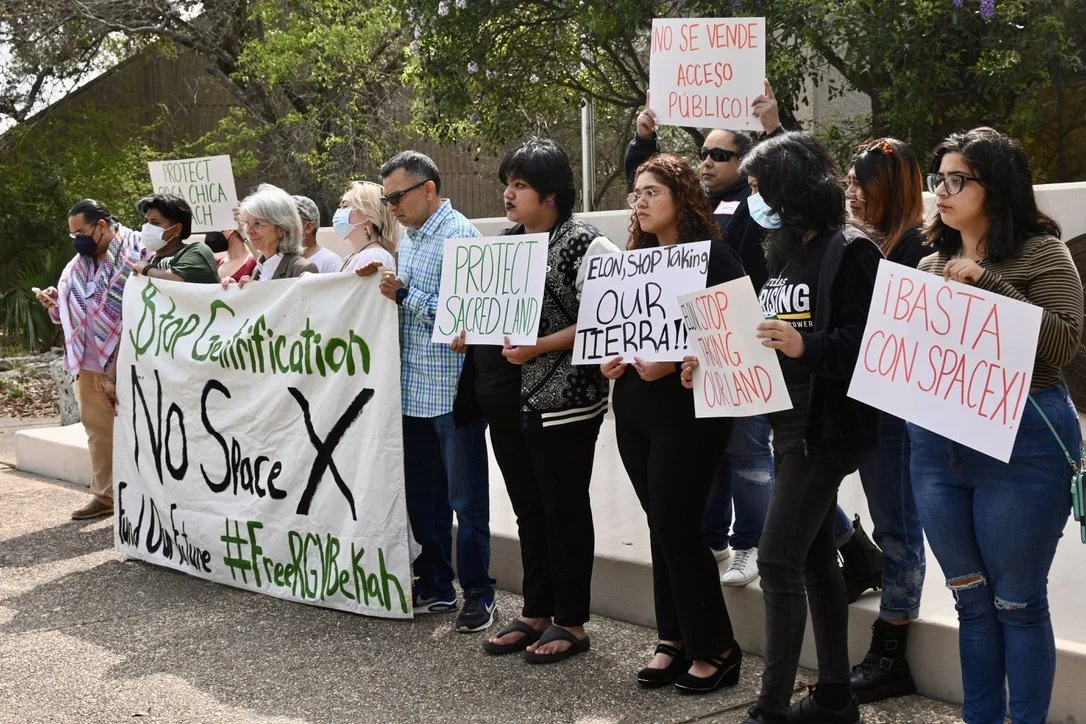
Location: Rio Grande Valley, Texas (Brownsville, Hidalgo County, Lower RGV) and Shreveport, Louisiana (North Louisiana)å


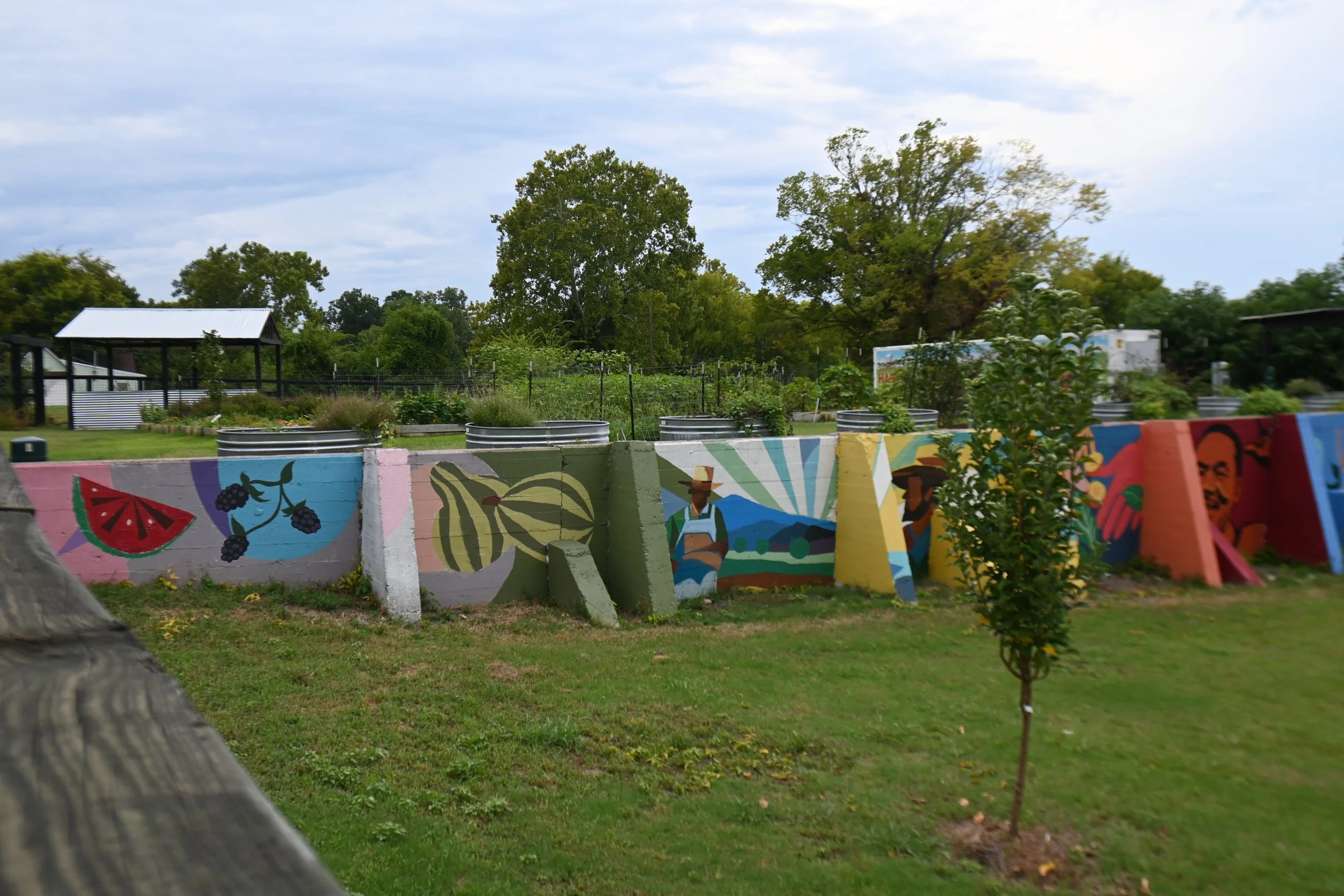
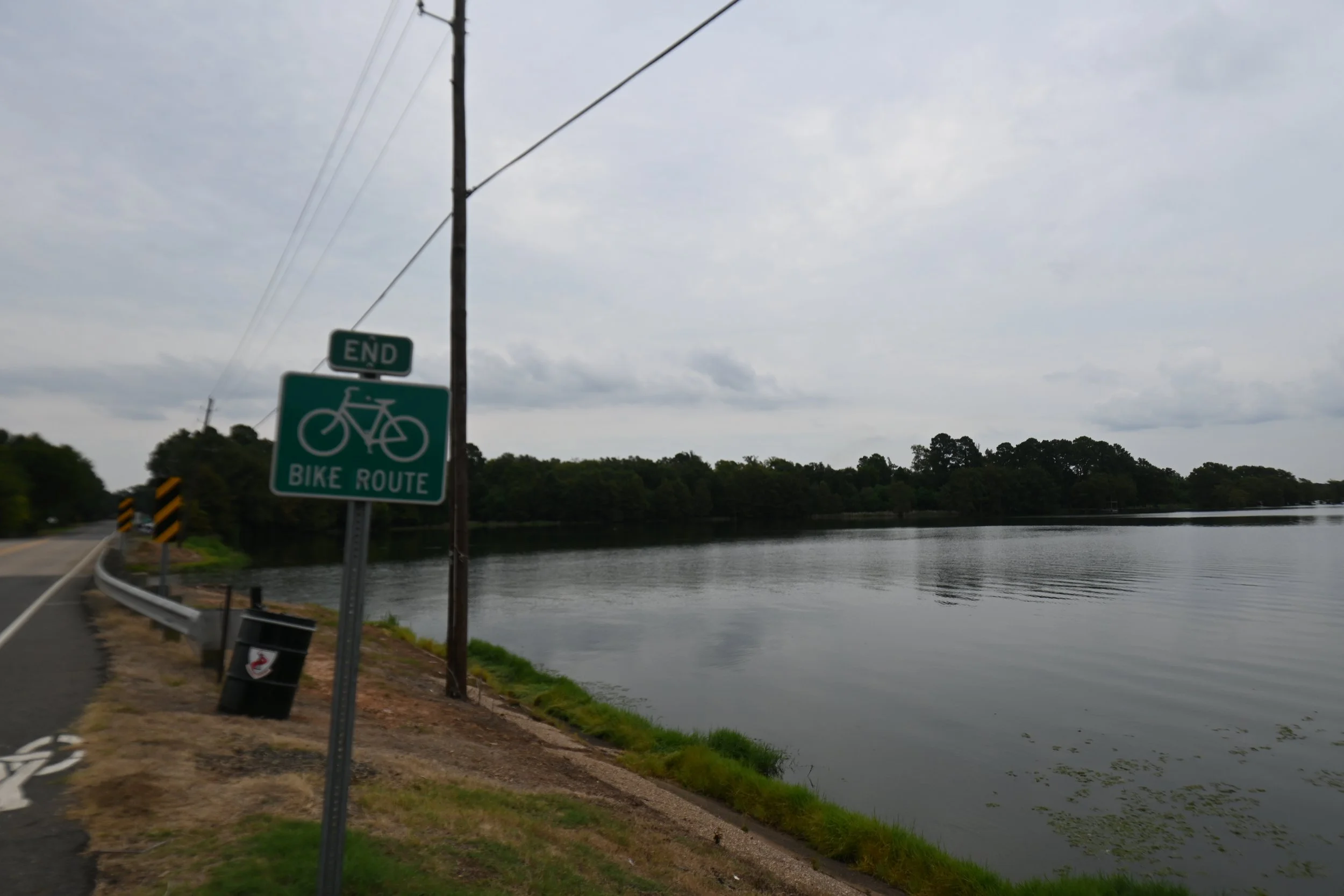
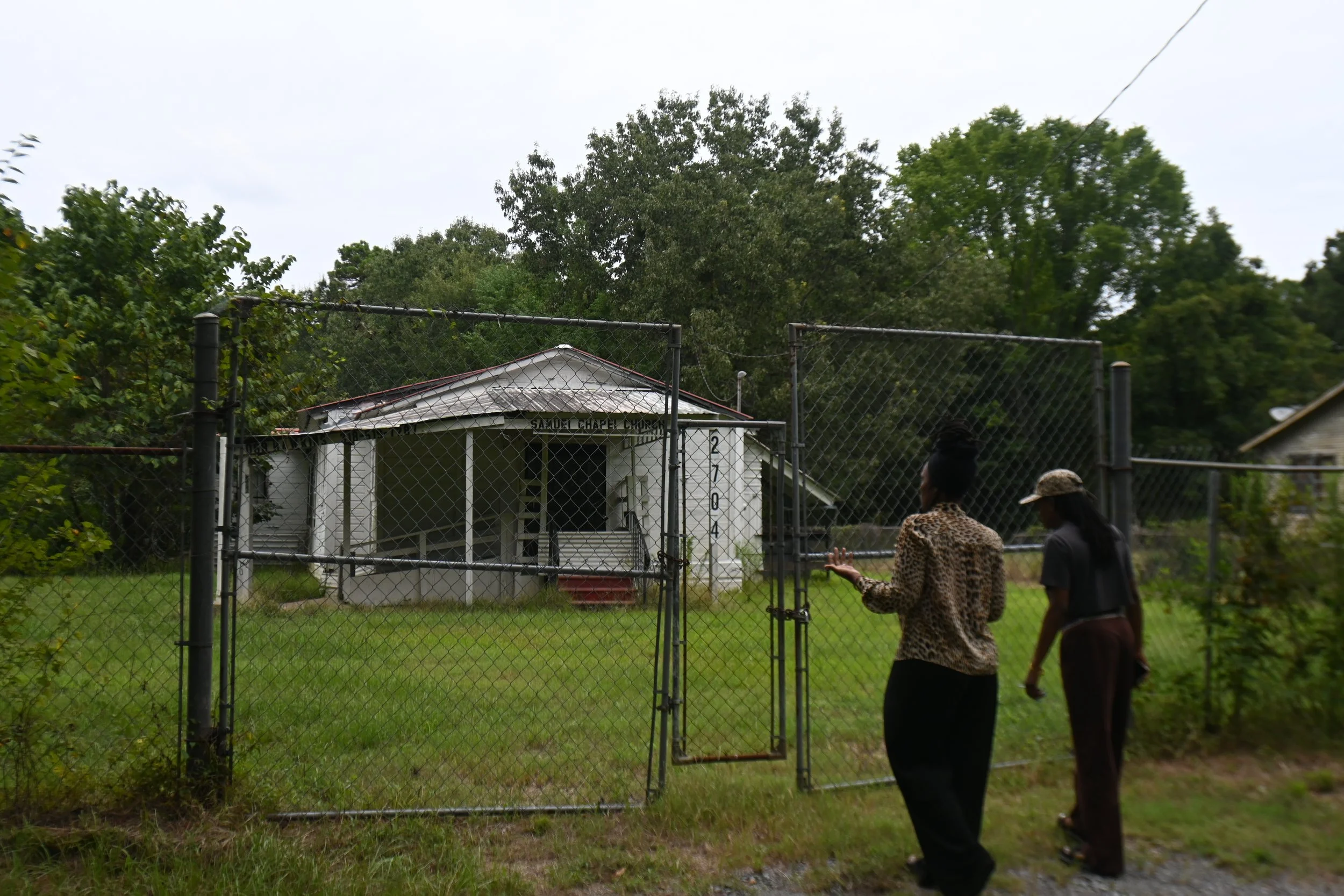
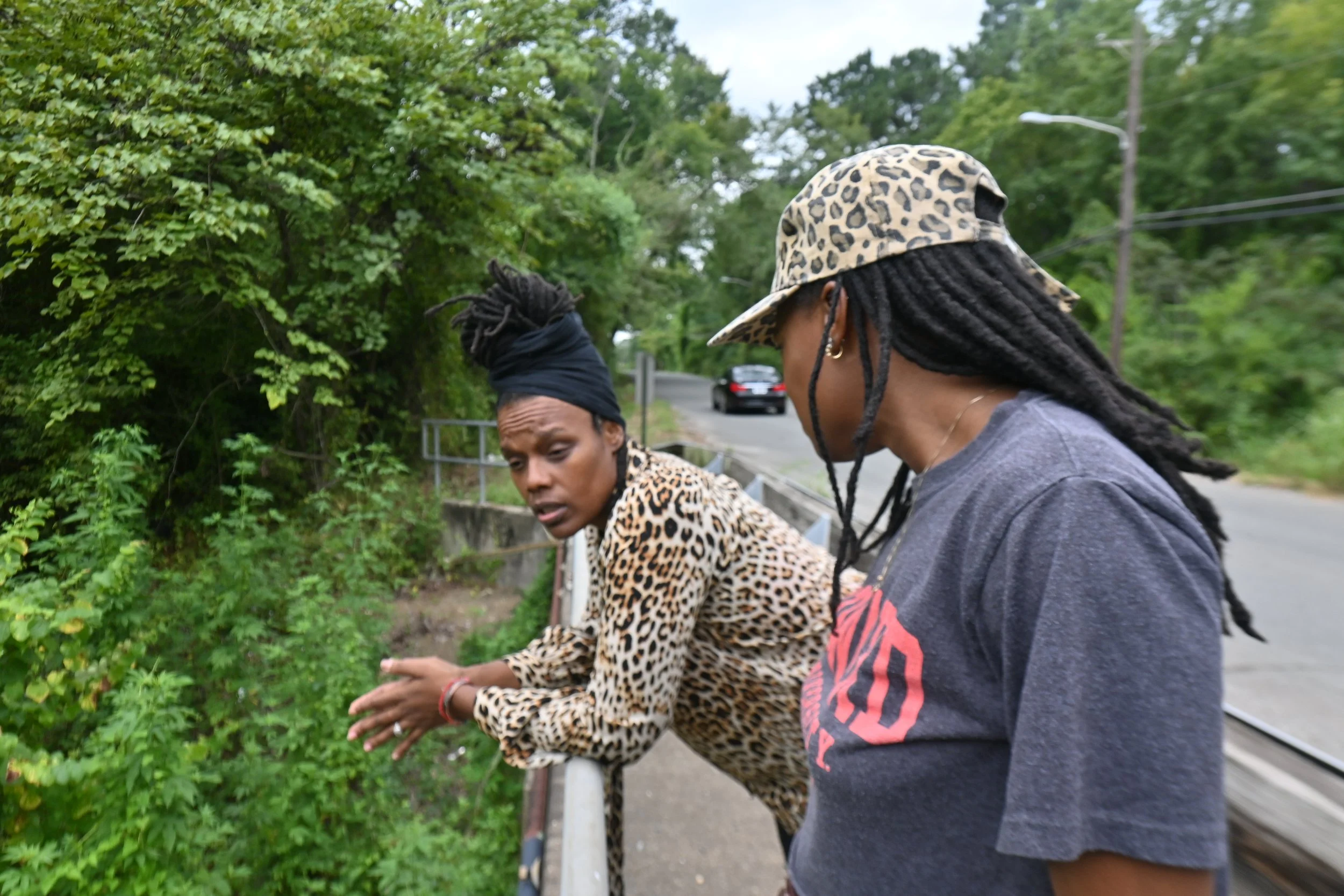
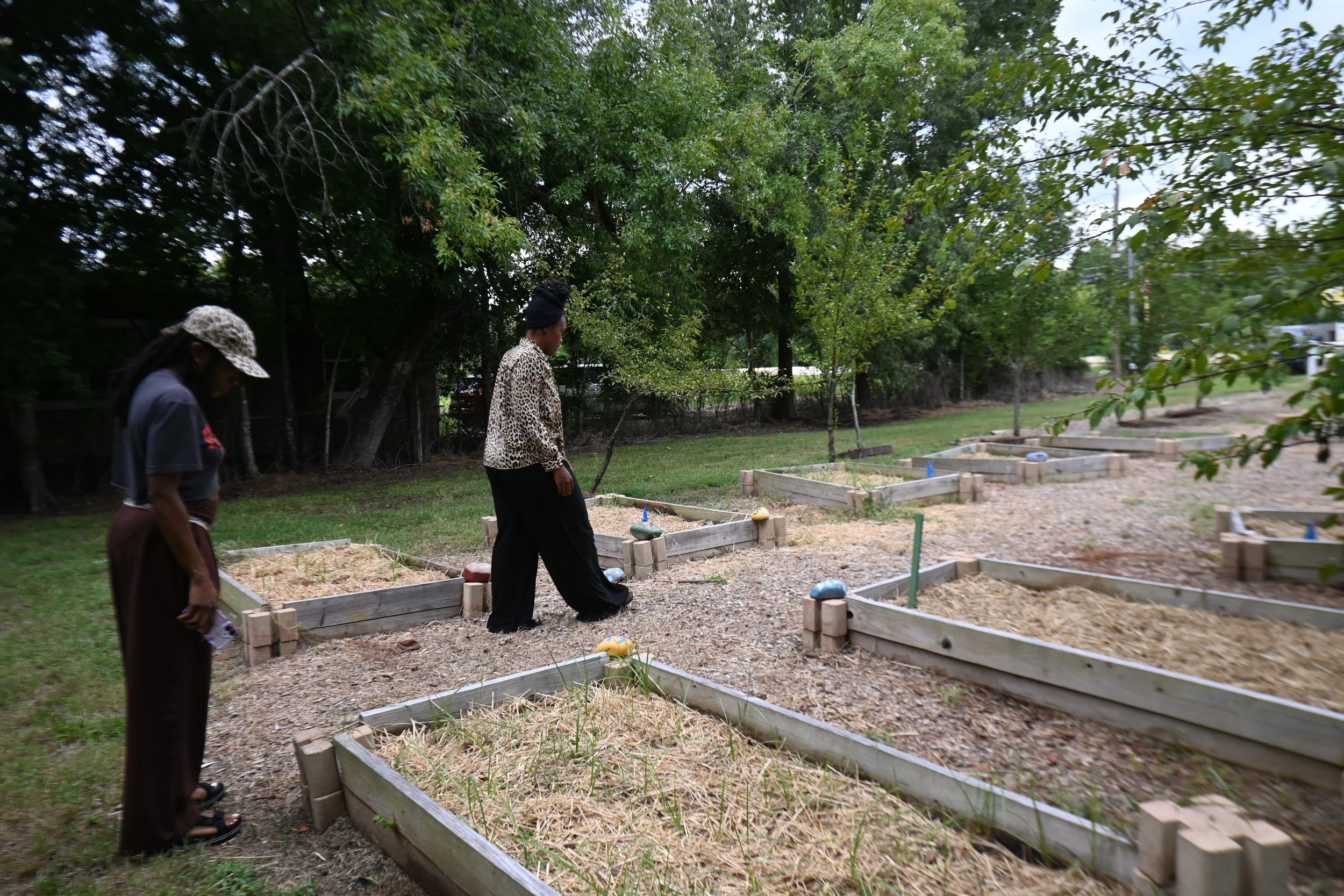
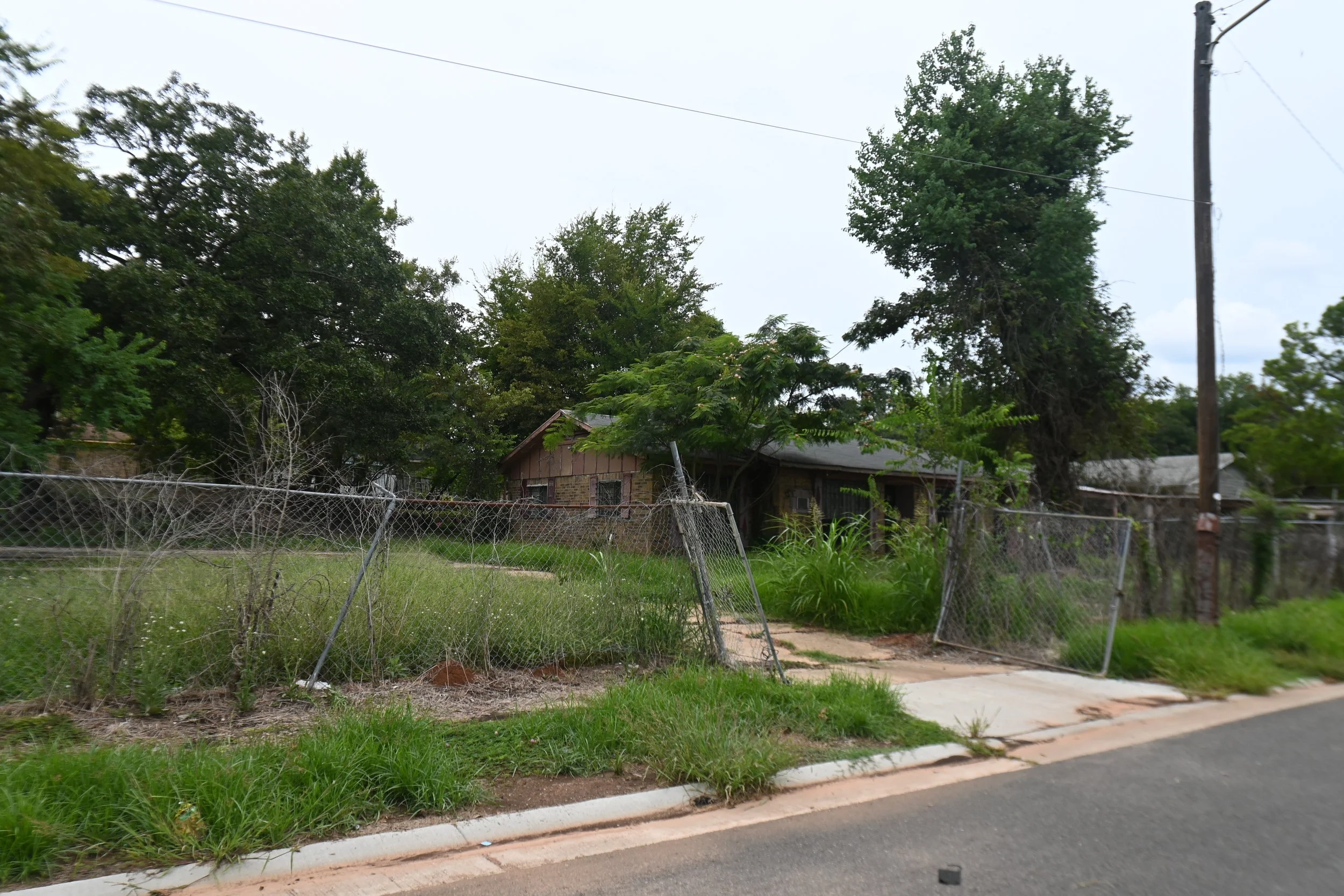
What I Did
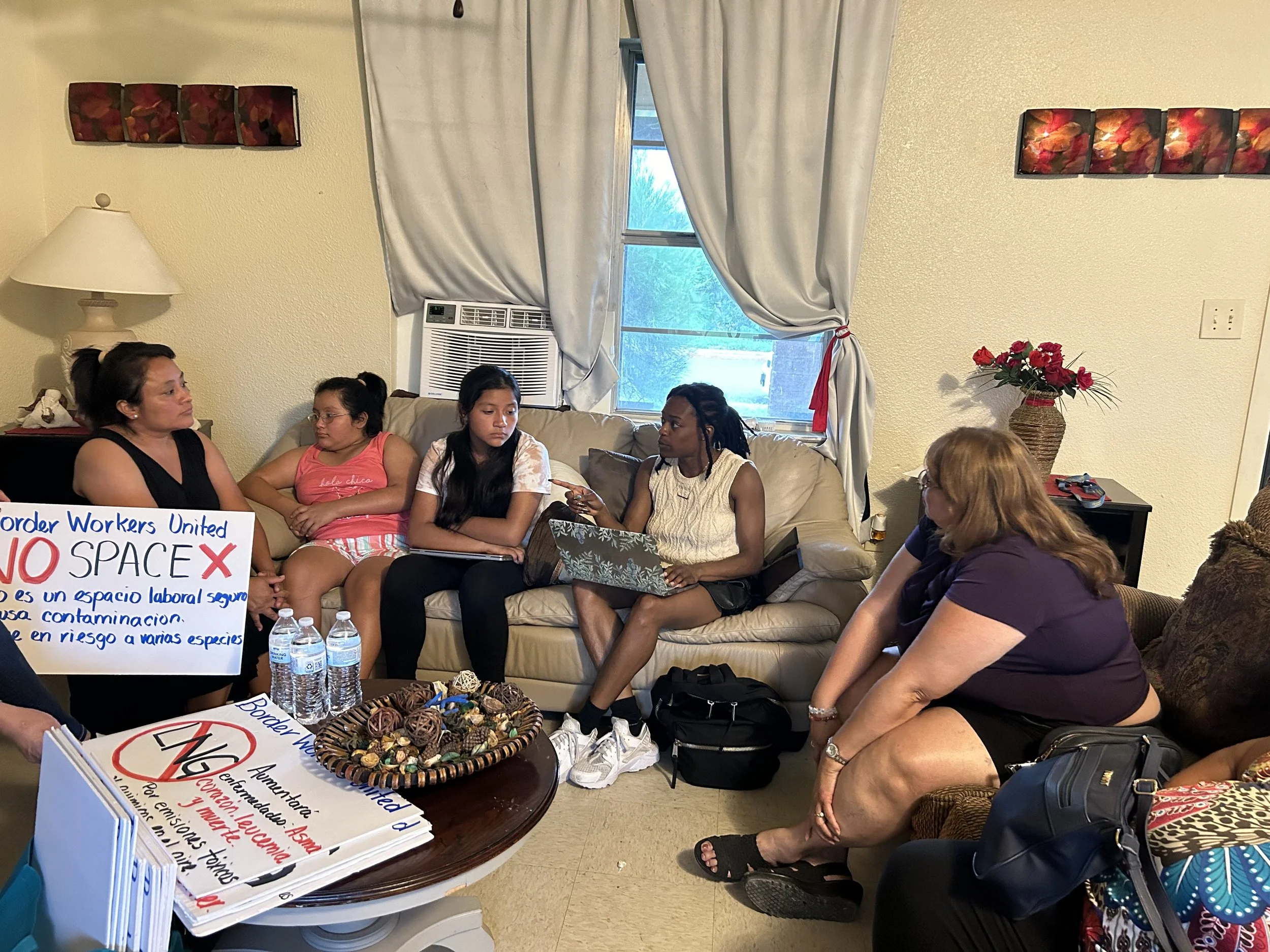
I co-led community-centered climate resilience engagement with Dr. Cassandra Jean in the Rio Grande Valley and northern Louisiana through the South Central Impacts Planning Program (SCIPP), supporting frontline organizations in identifying climate priorities, adaptation strategies, and pathways for long-term investment.
-
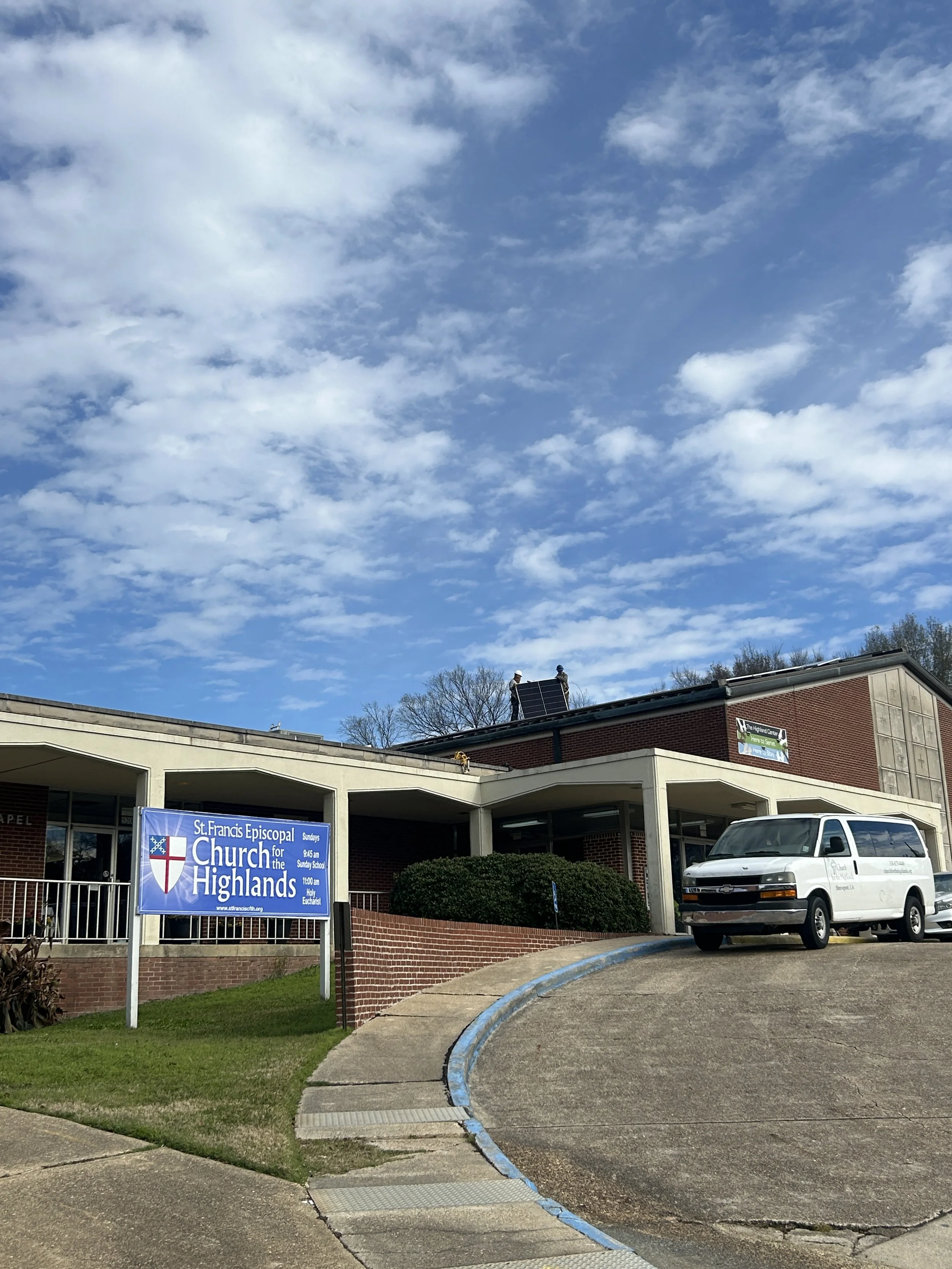
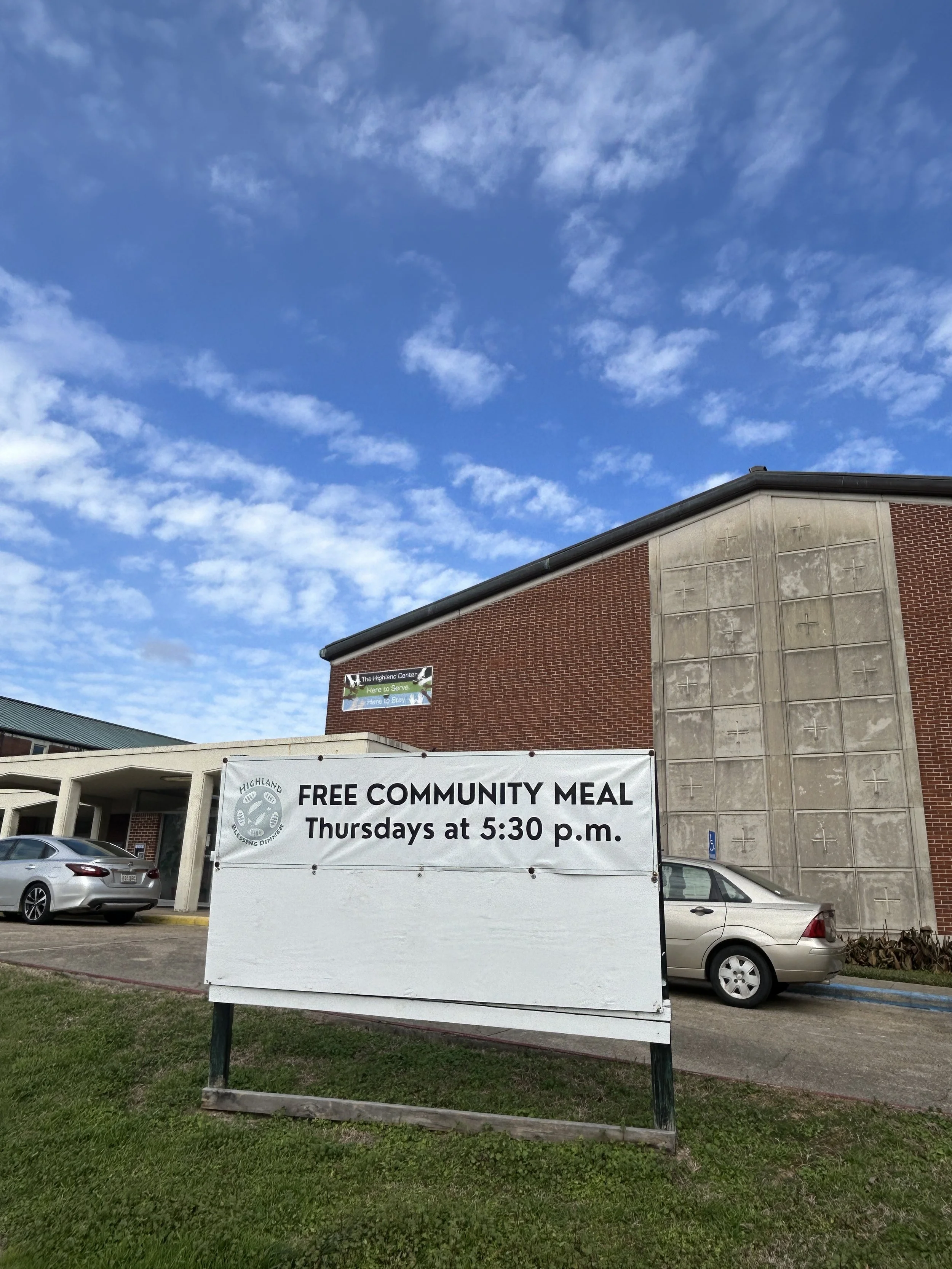
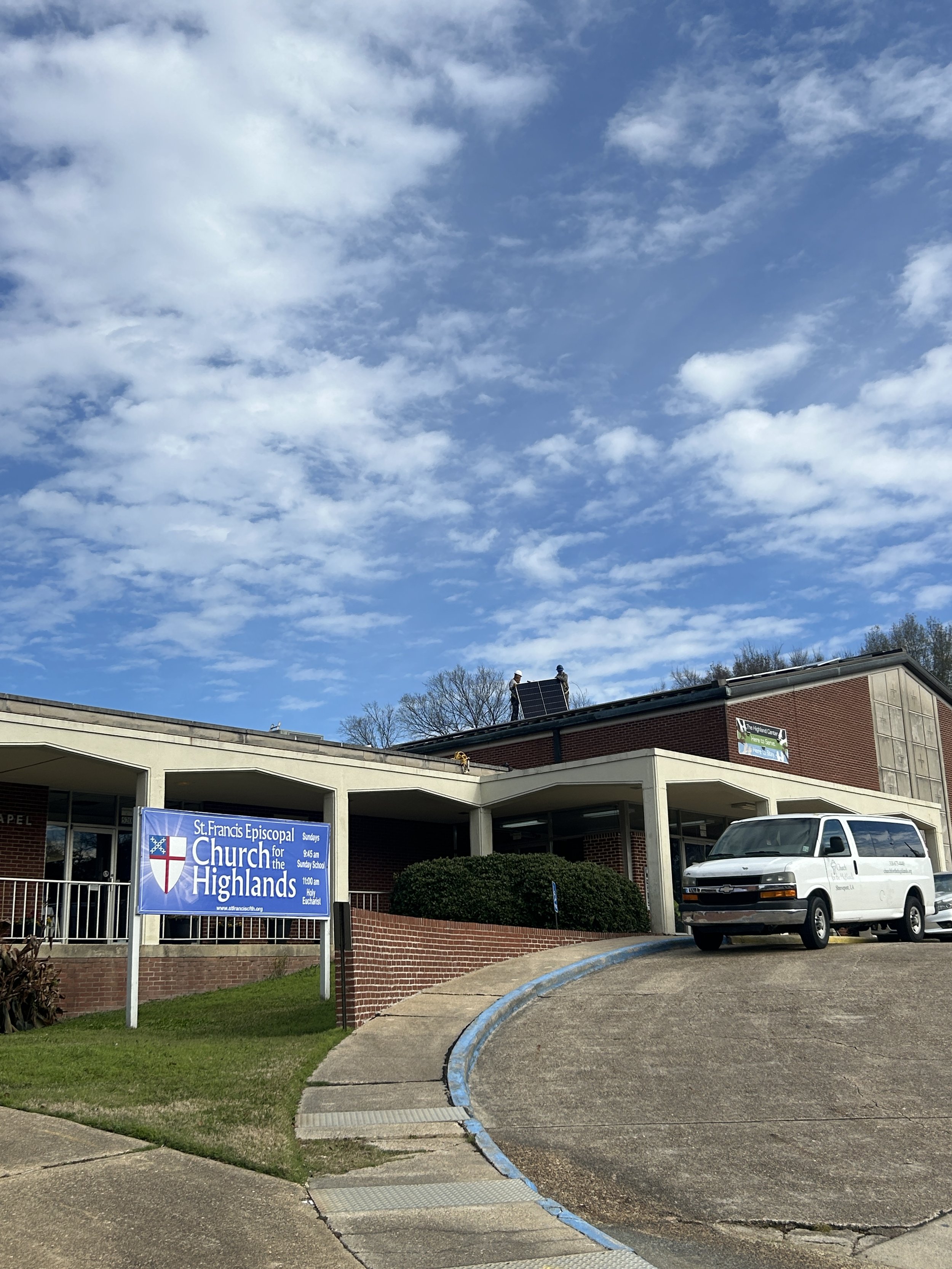
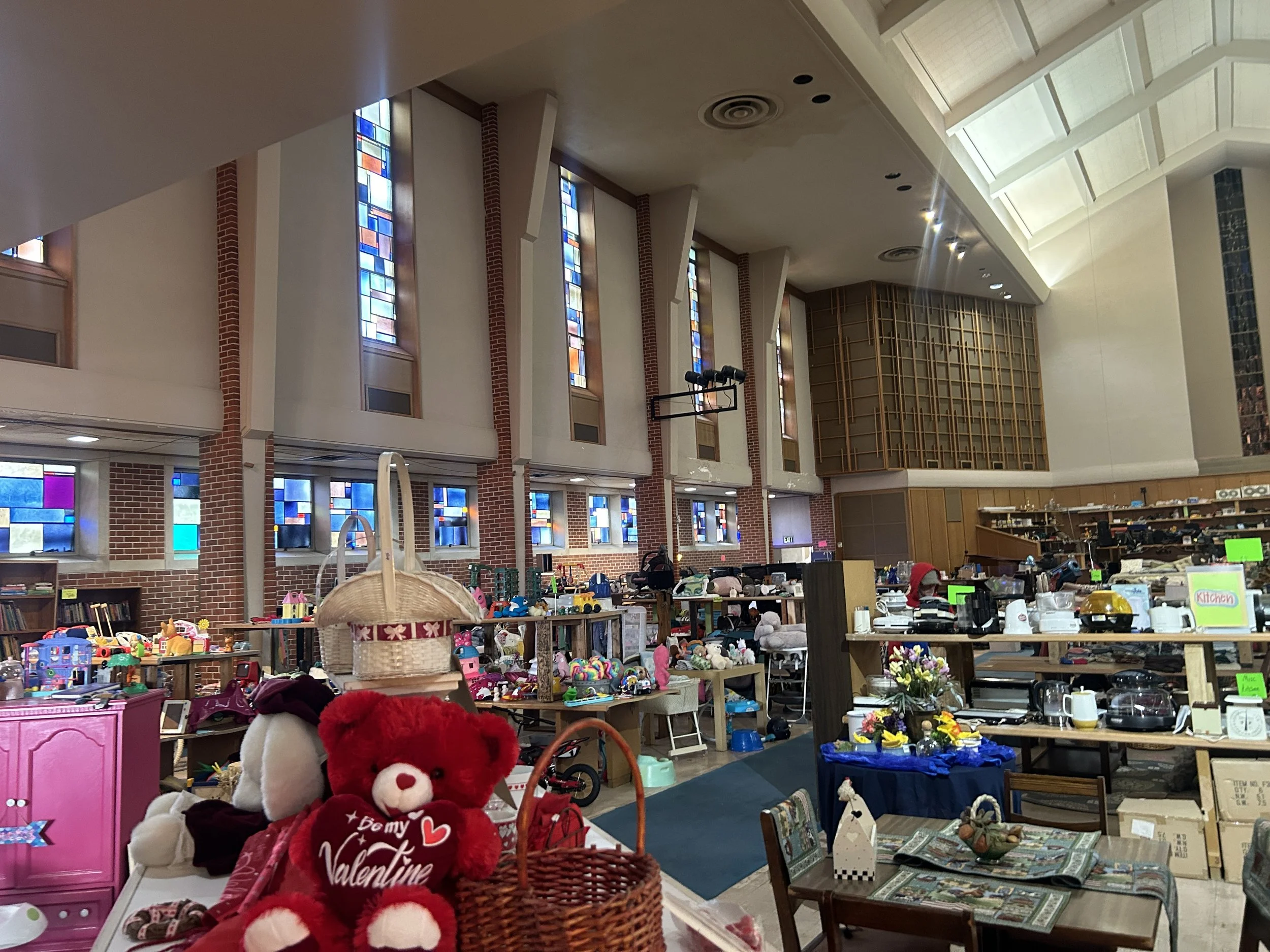
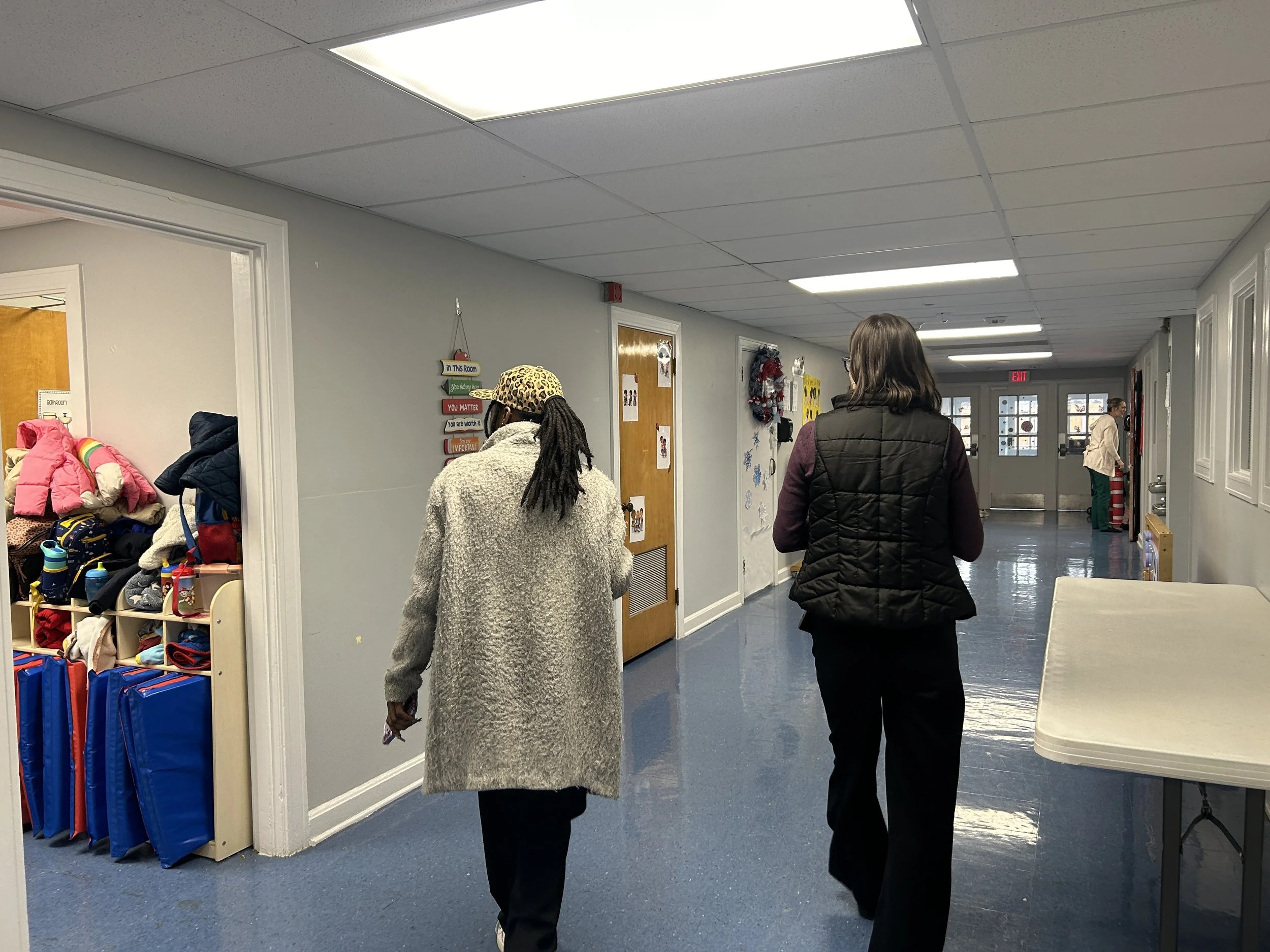
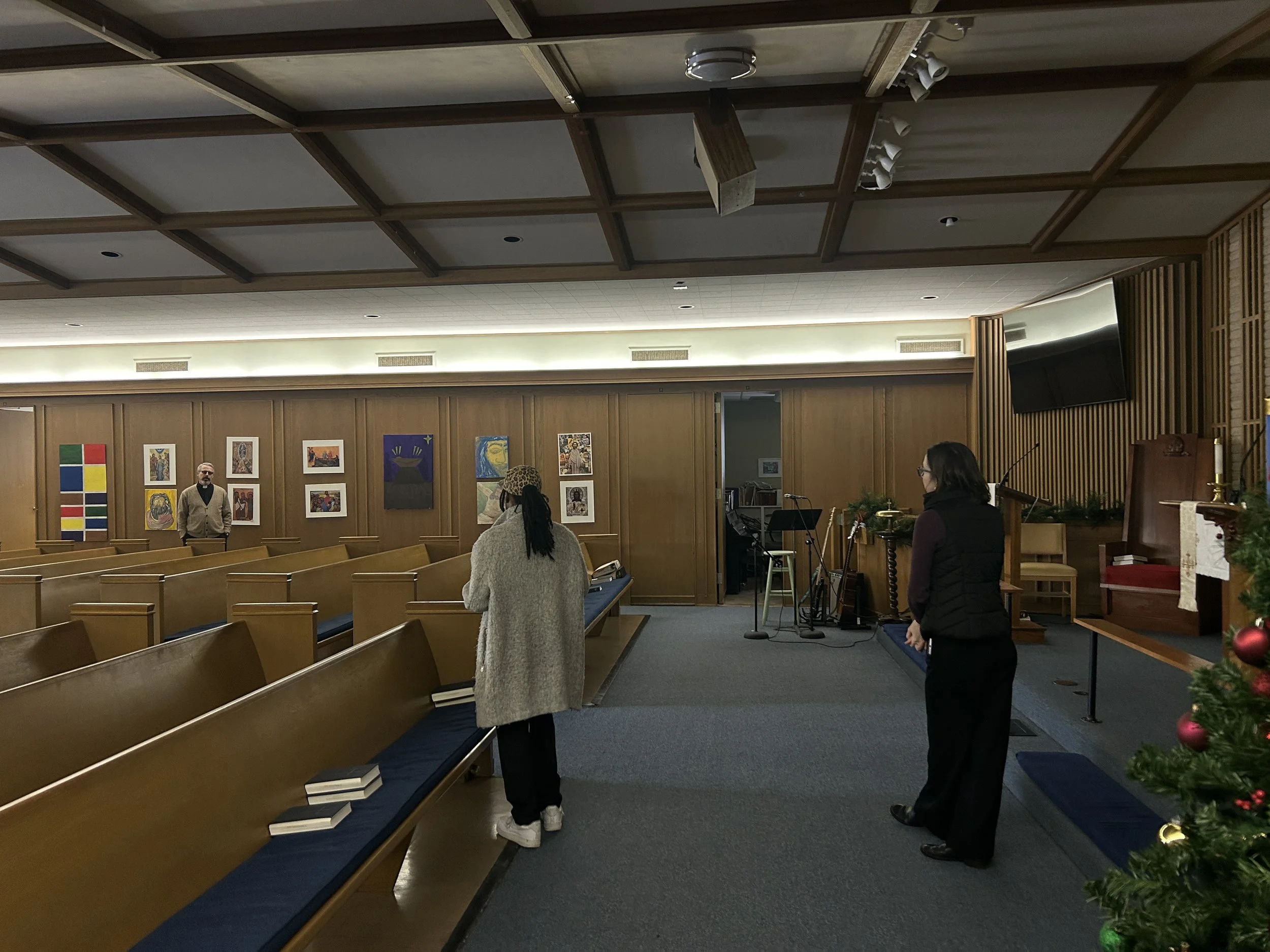
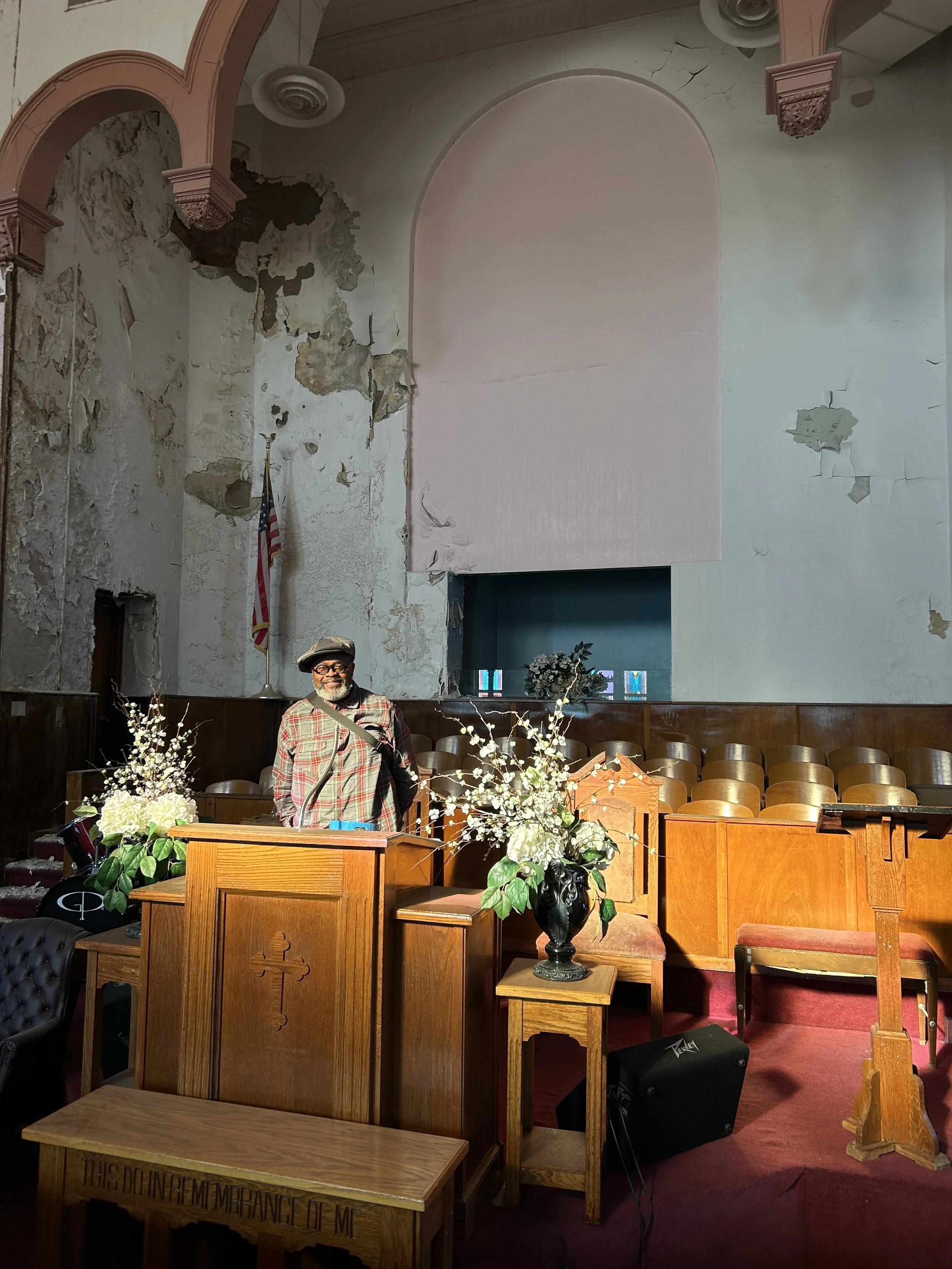
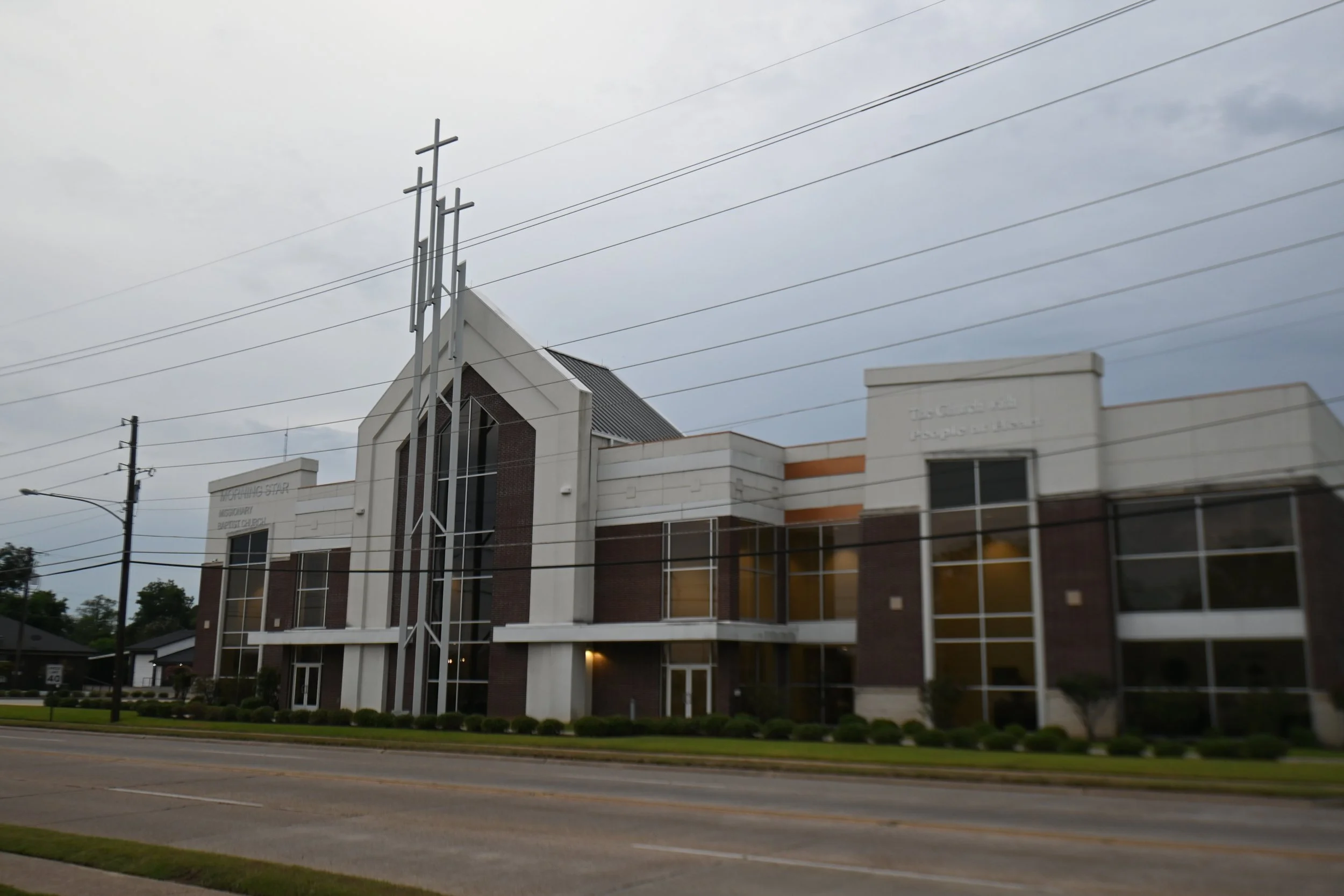
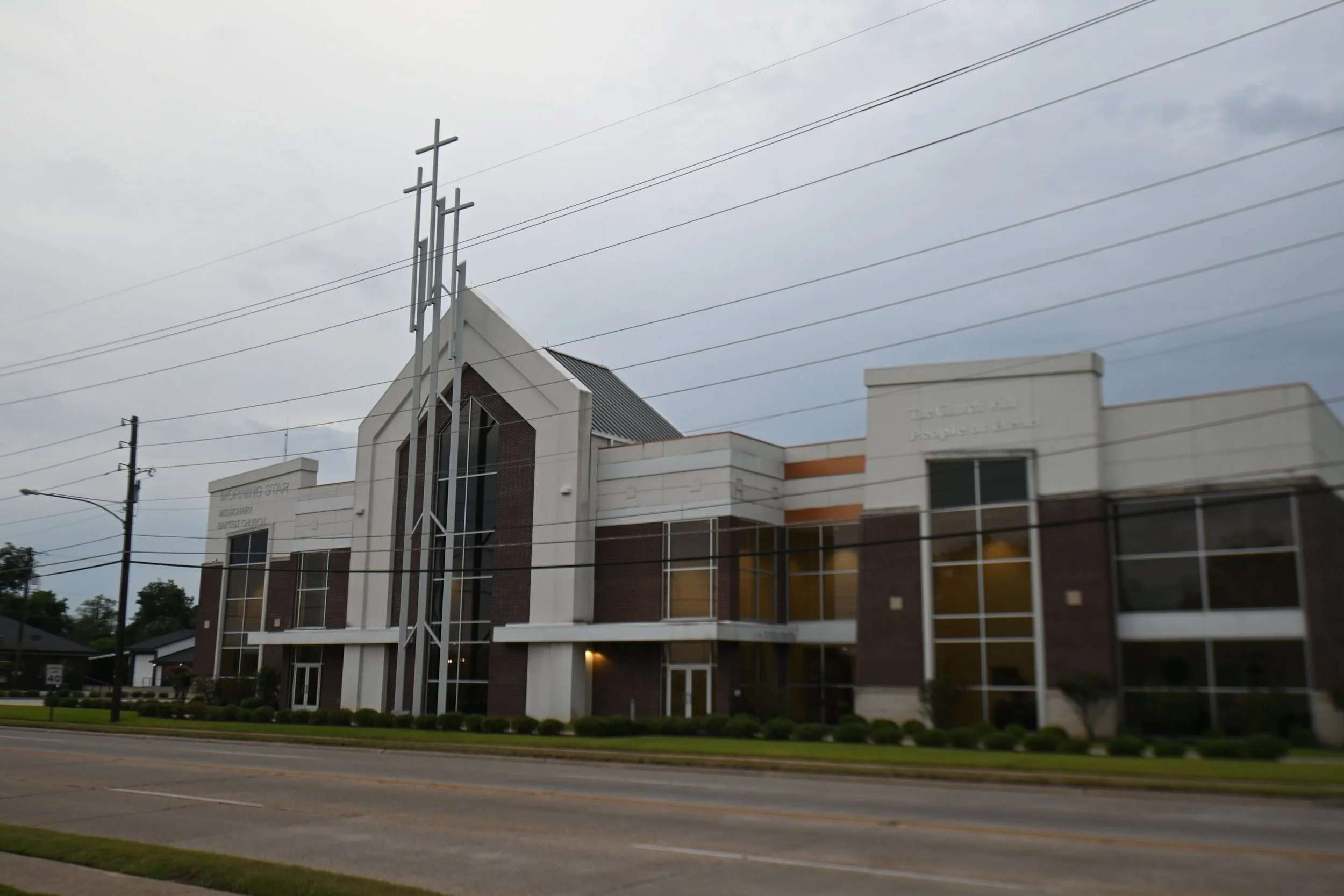
Fostered communication among under-resourced communities, local organizations, faith institutions, and regional networks, supporting sustained collaboration across South Texas and North Louisiana.
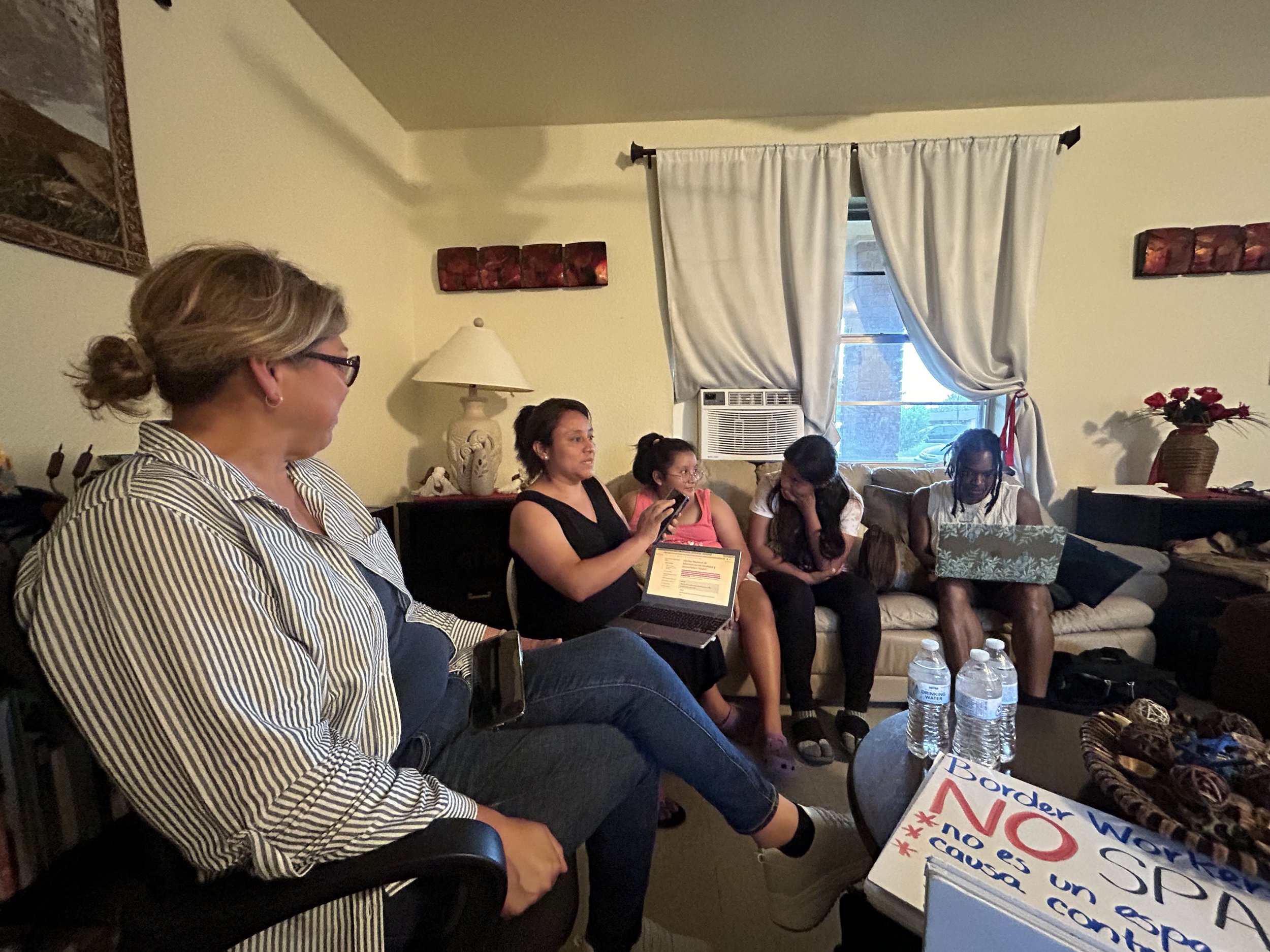
Conducted virtual and in-person interviews with frontline leaders and organizations to identify climate risks, priorities, and capacity needs.
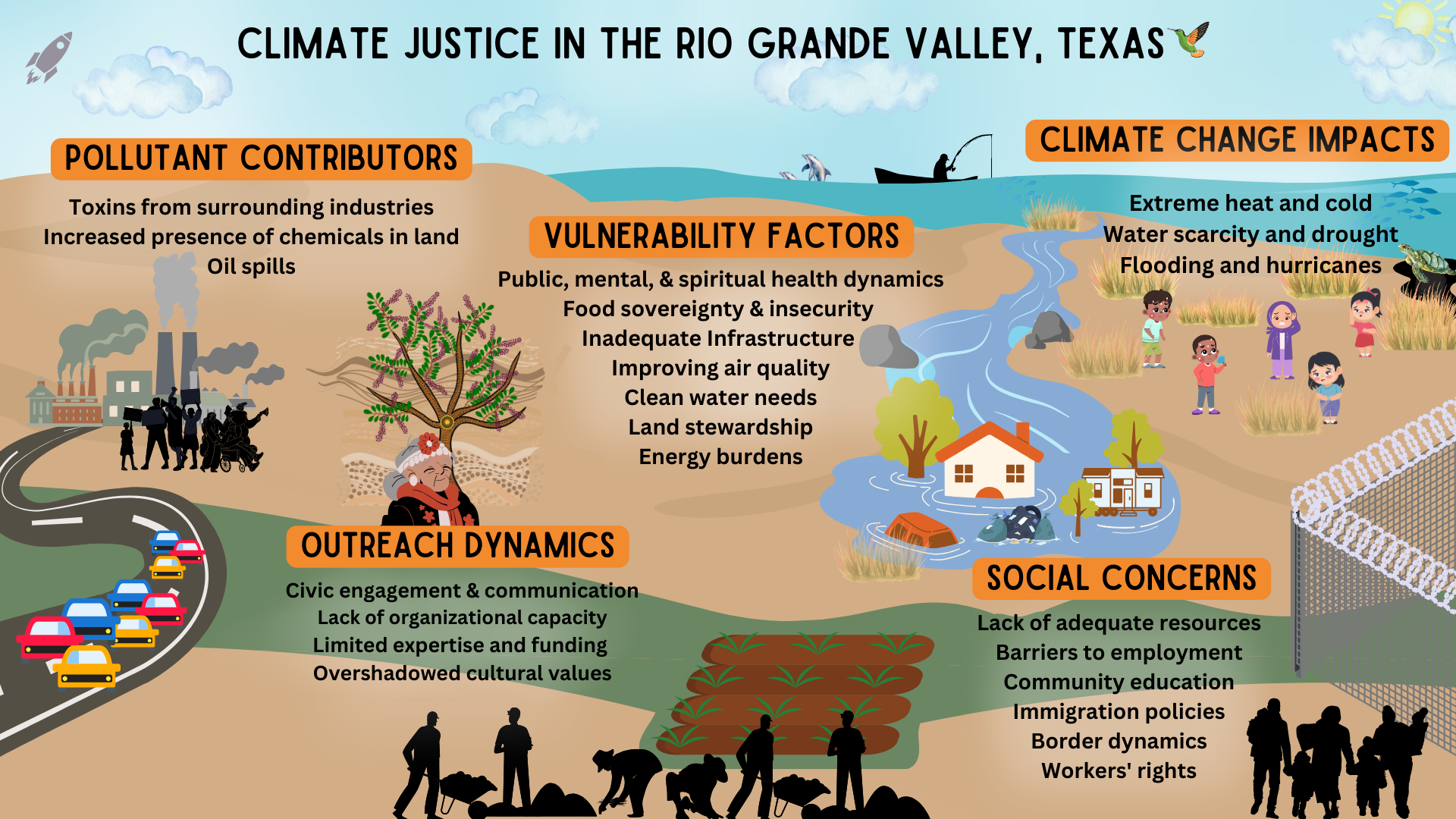
Applied an intersectional environmental justice framework to assess how climate impacts intersect with housing, labor, health, youth development, and environmental harm.
-
Applied interviews and participant observation to understand climate risks, social vulnerabilities, and existing community assets.
Supported participatory storytelling approaches including PhotoVoice, oral history, and visual documentation to capture community experiences of climate impacts and resilience.
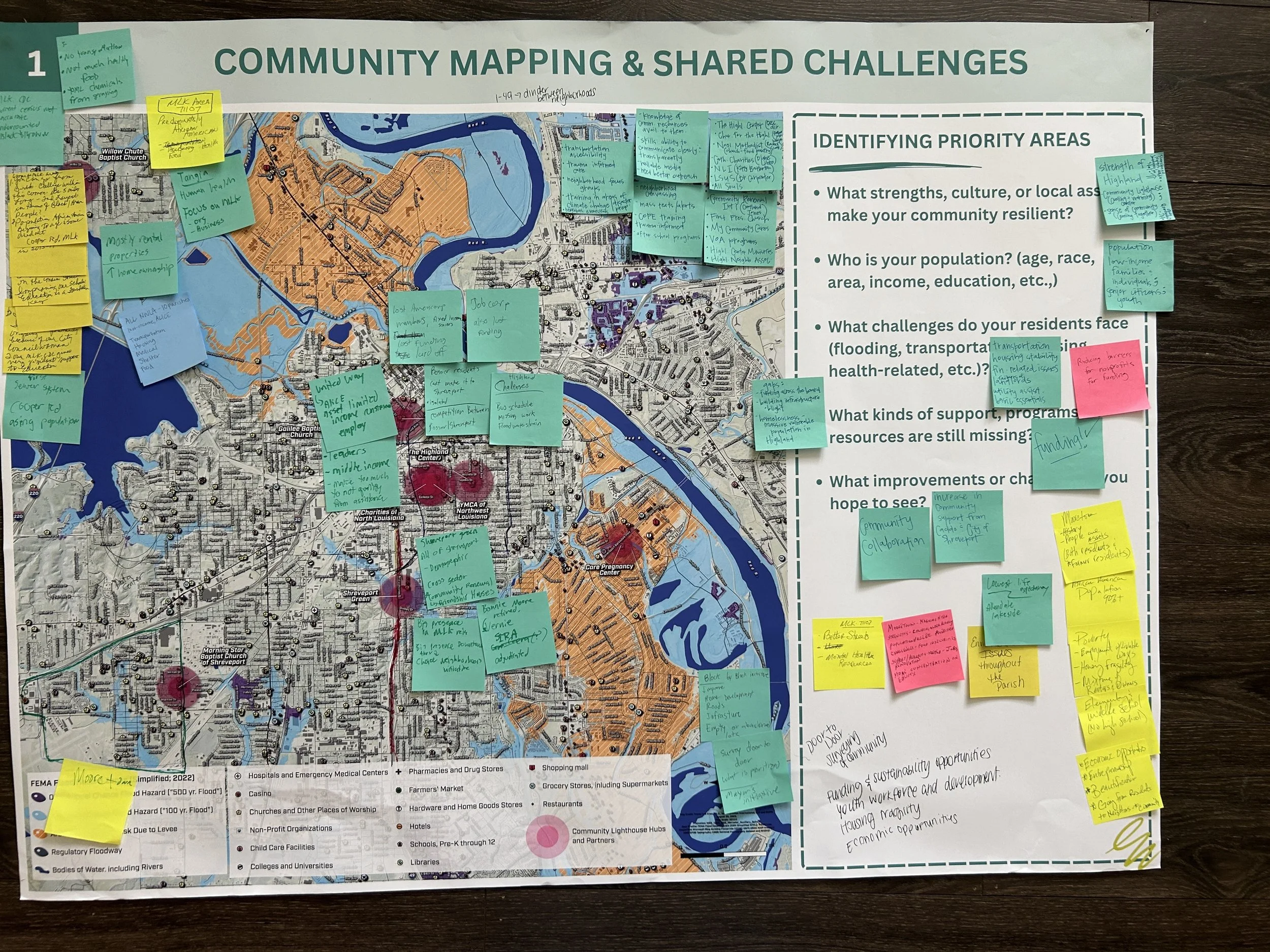
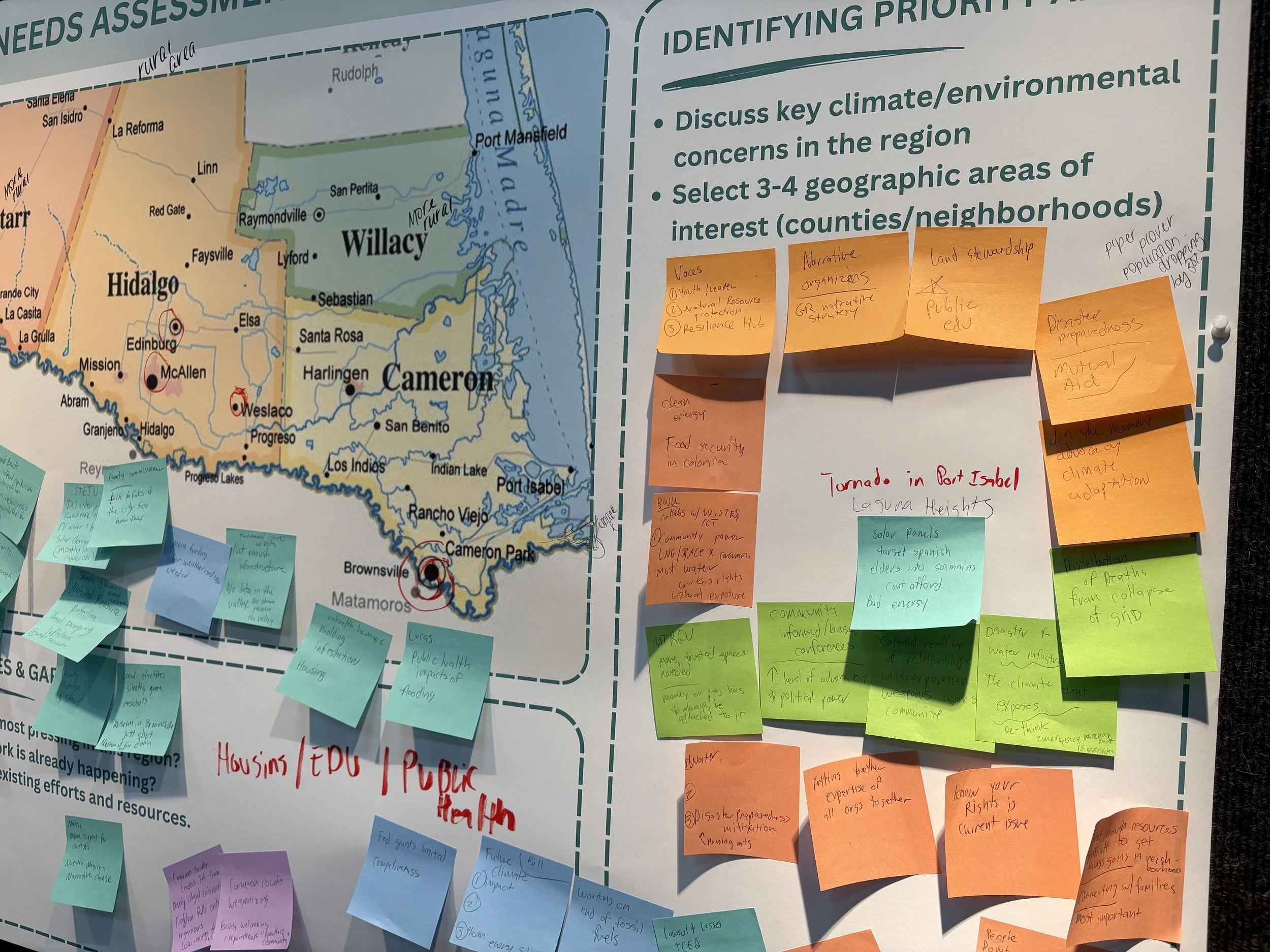
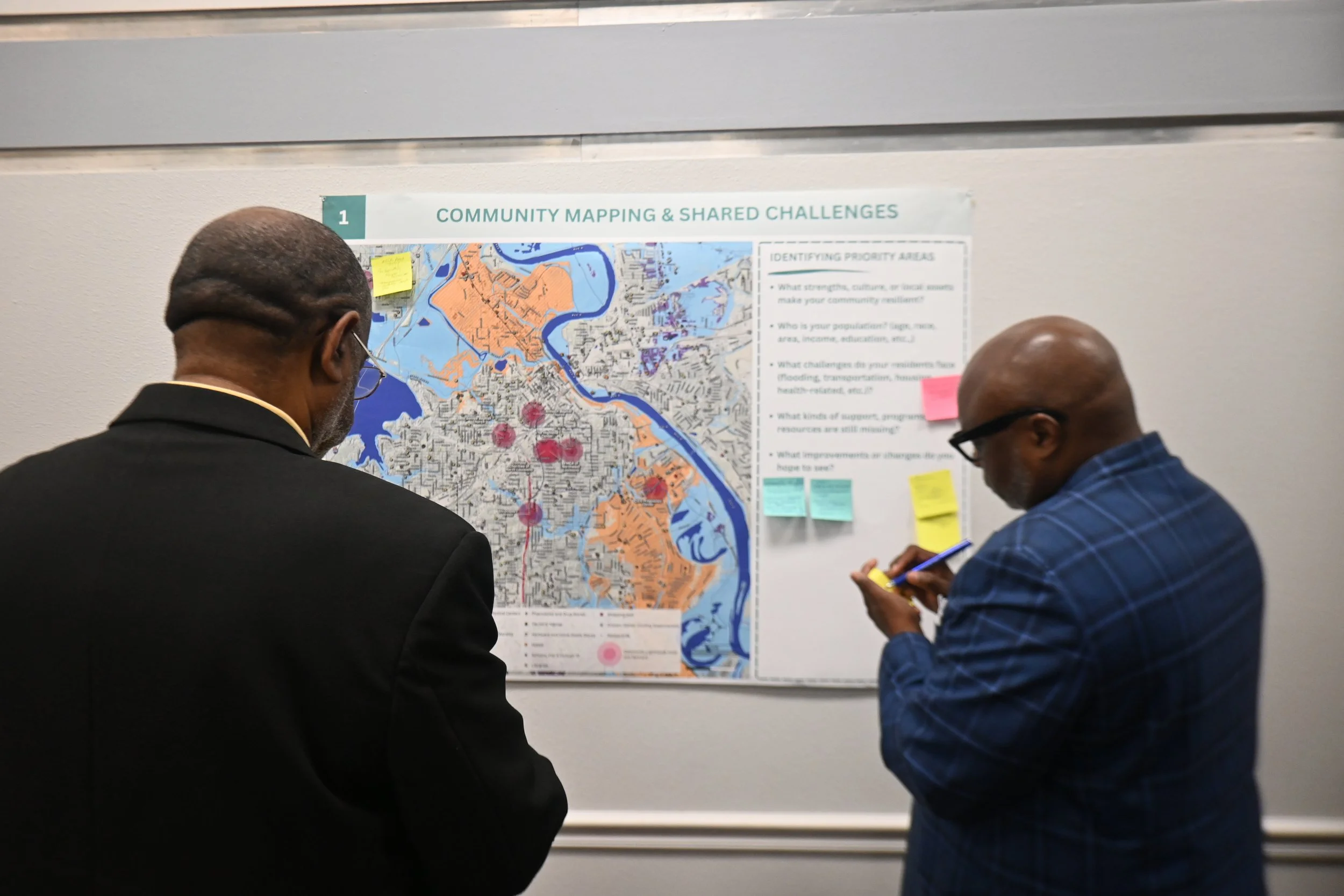
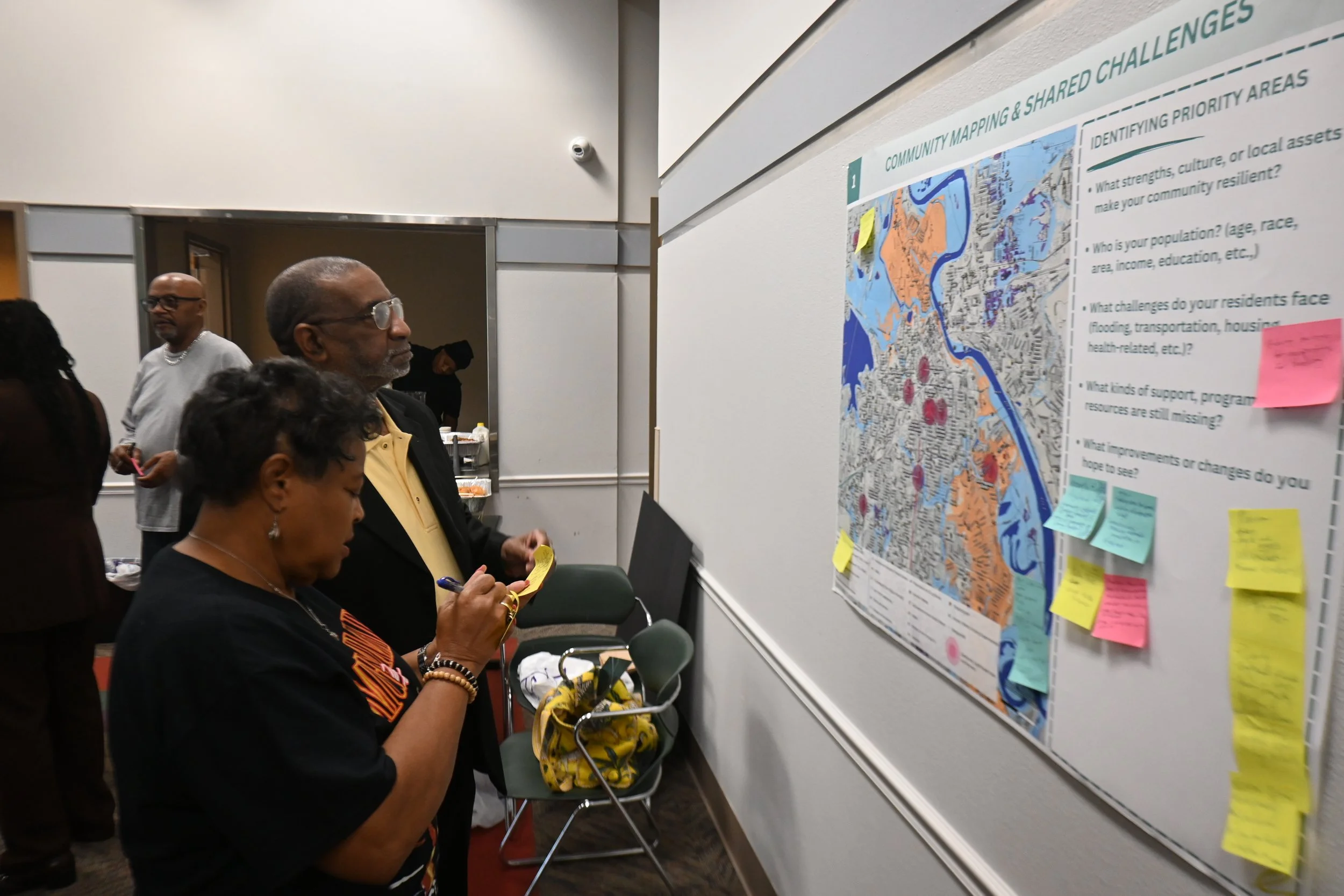
Conducted place-based resilience assessments integrating climate science, environmental justice, and community knowledge to inform adaptation strategies.
-
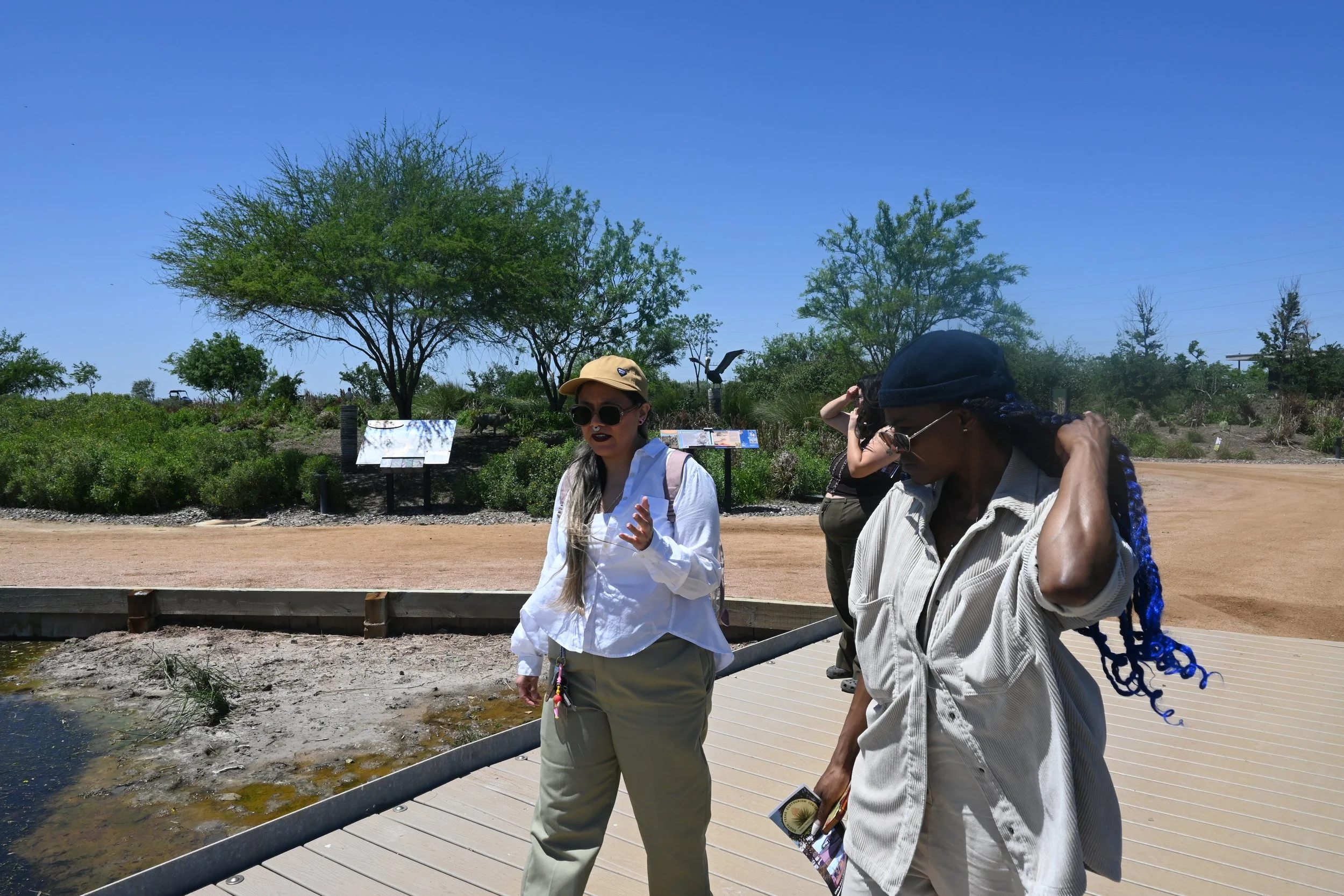
Co-developed and supported a PhotoVoice and visual storytelling project with Planet Texas 2050 and Voces Unidas documenting extreme heat, water insecurity, environmental contamination, and community resilience.
Guided participants in using photography, video, and oral history as tools for evidence-building, advocacy, and narrative change.
Framed storytelling as witnessing, record-keeping, and power-building, ensuring community knowledge was elevated alongside data.
-
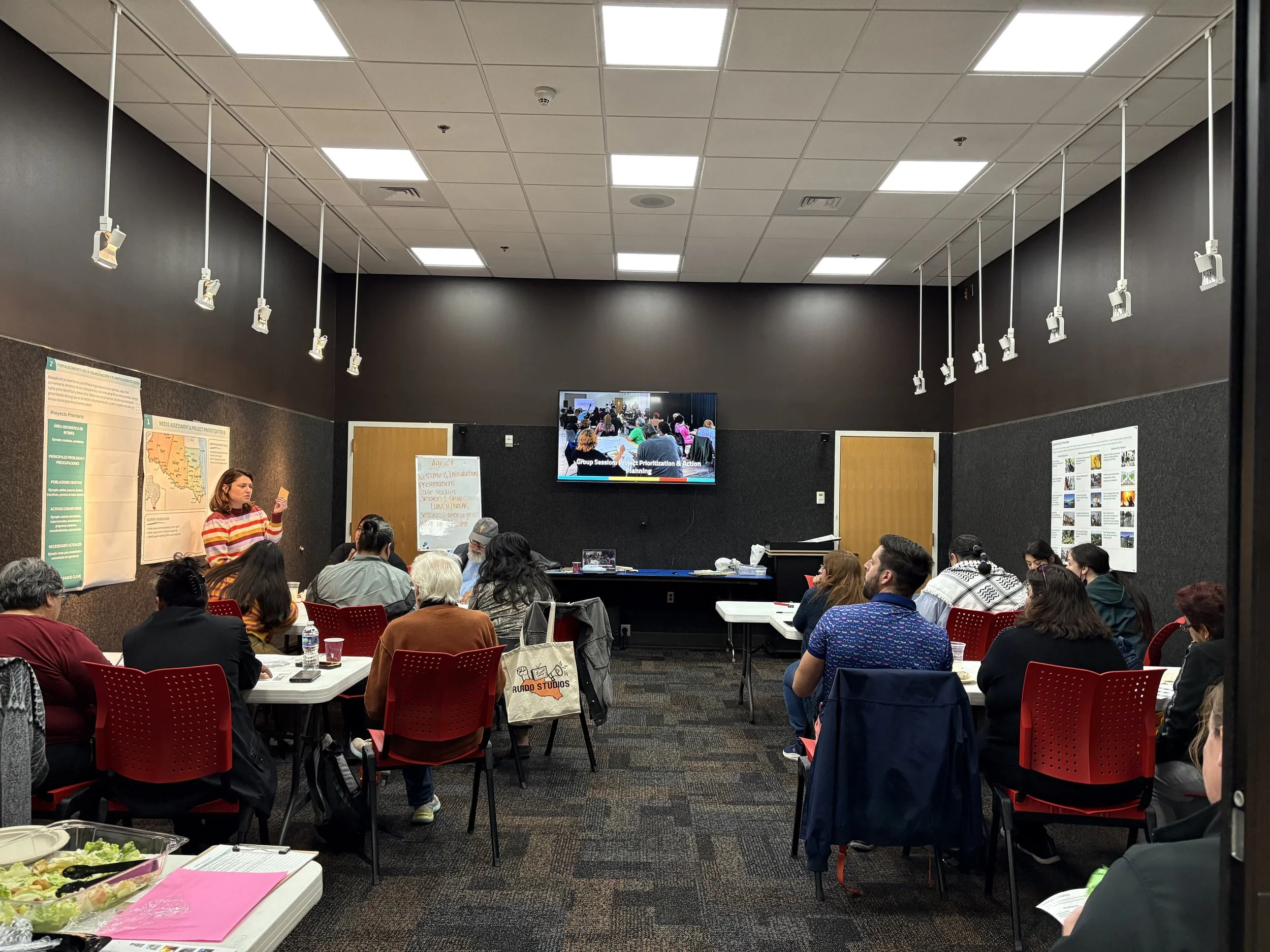
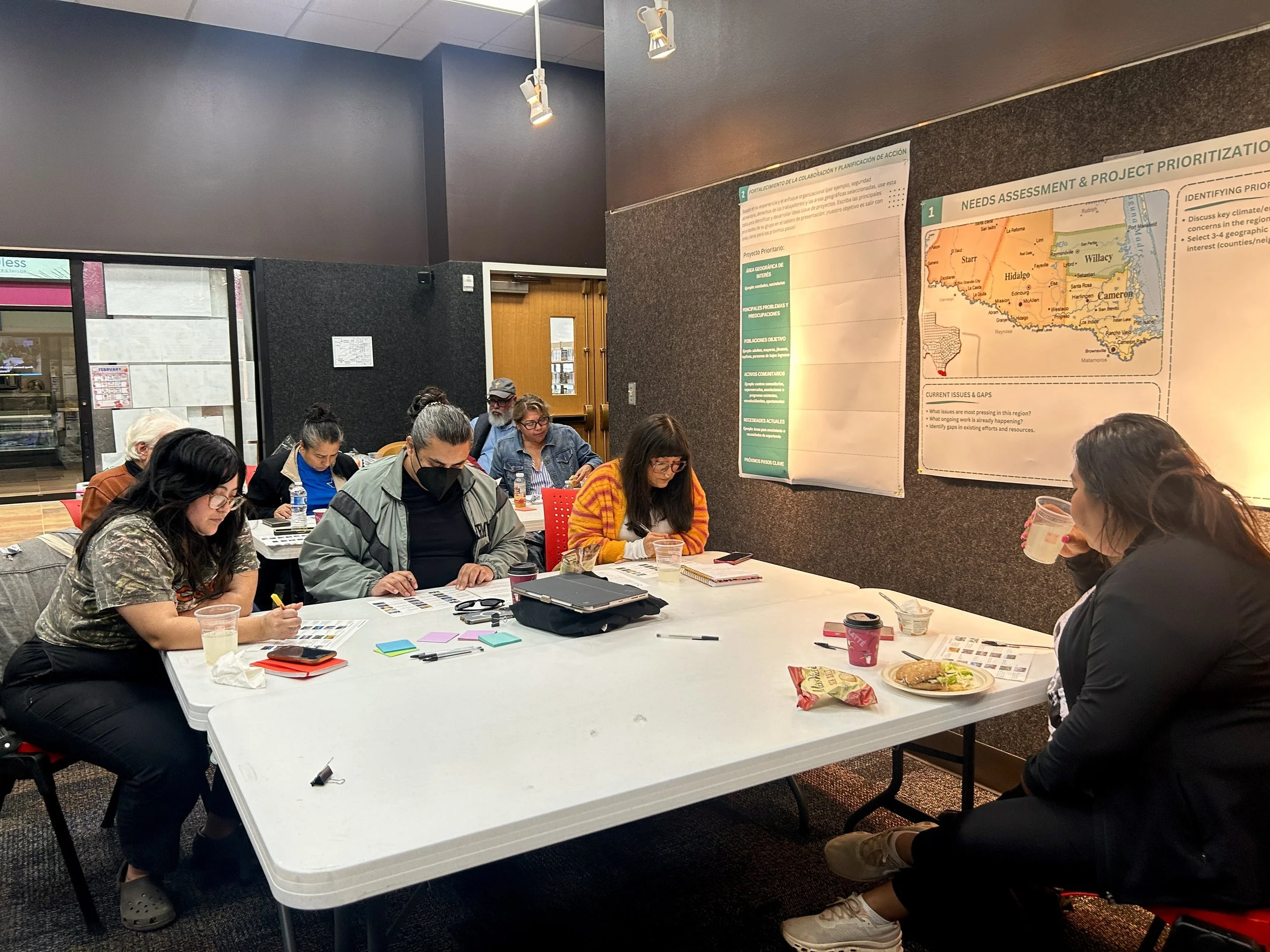
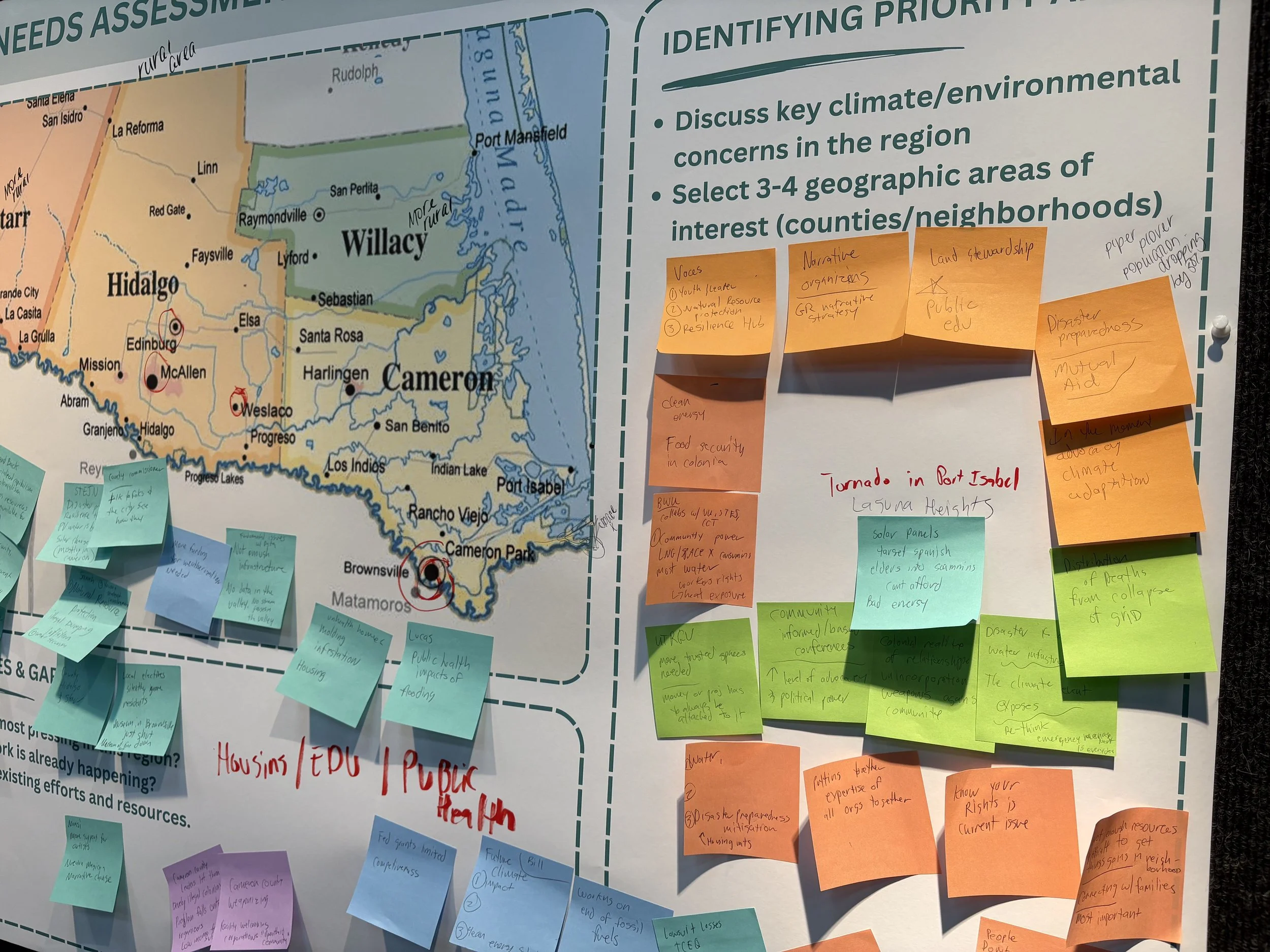
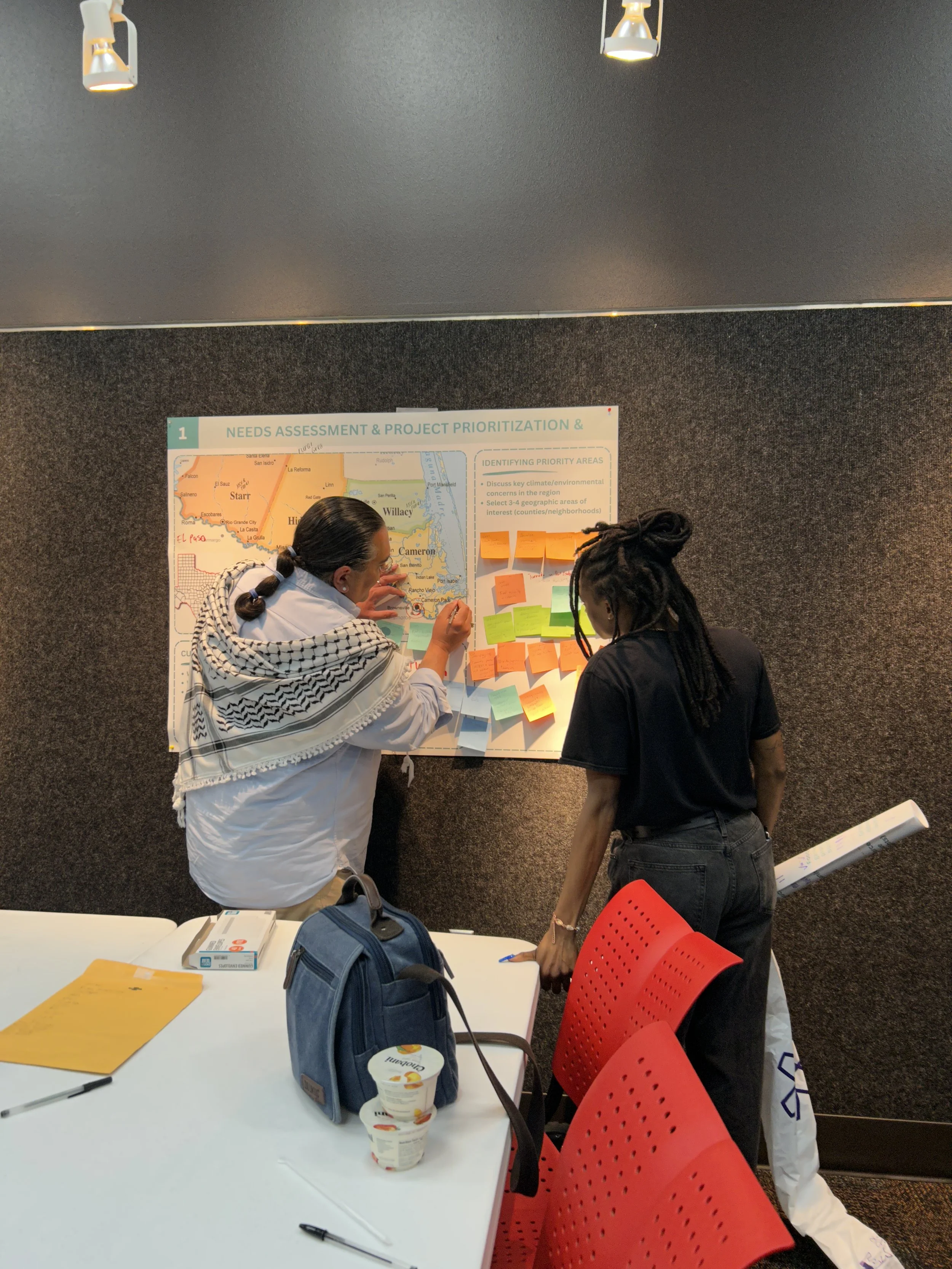
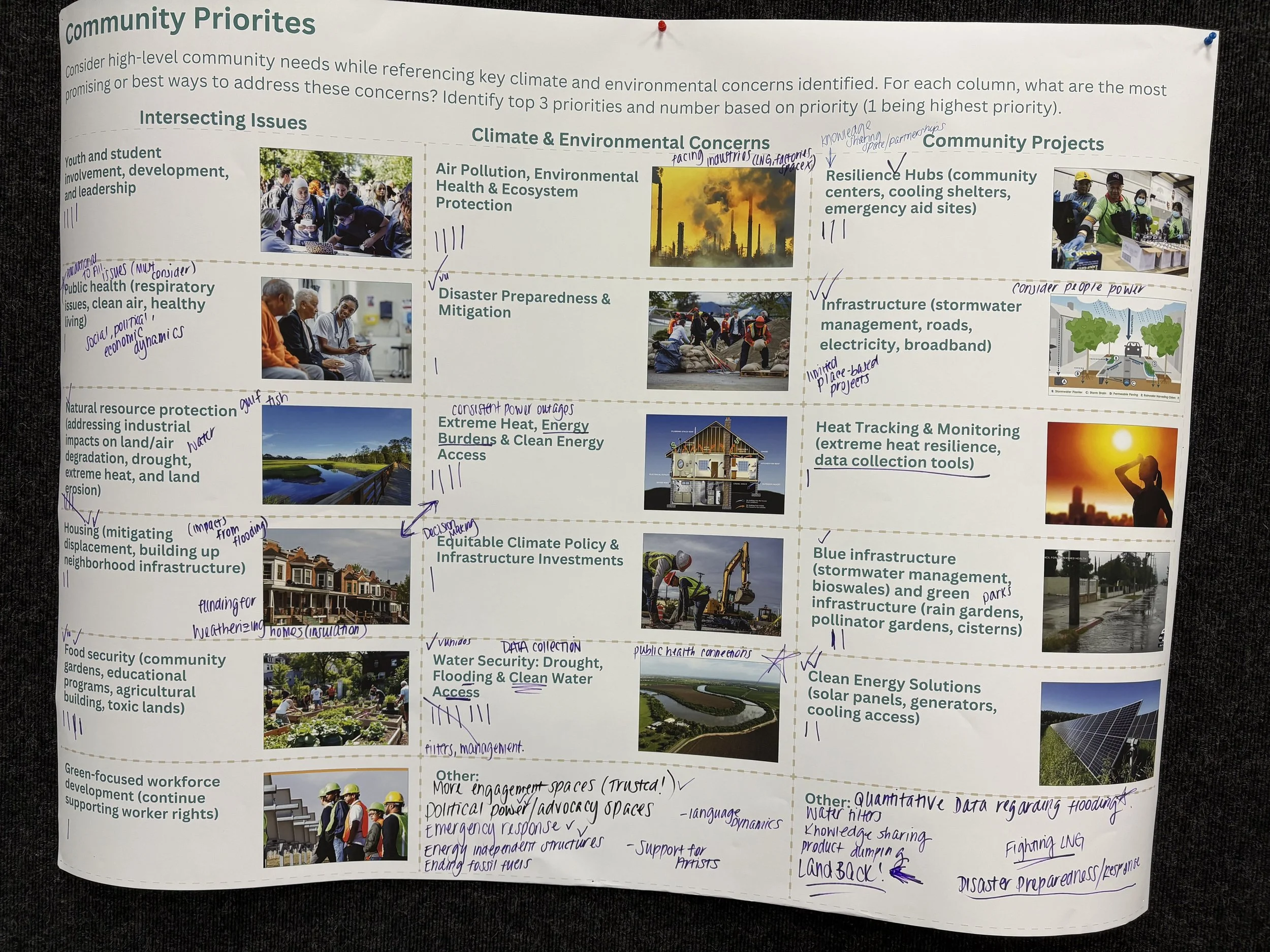
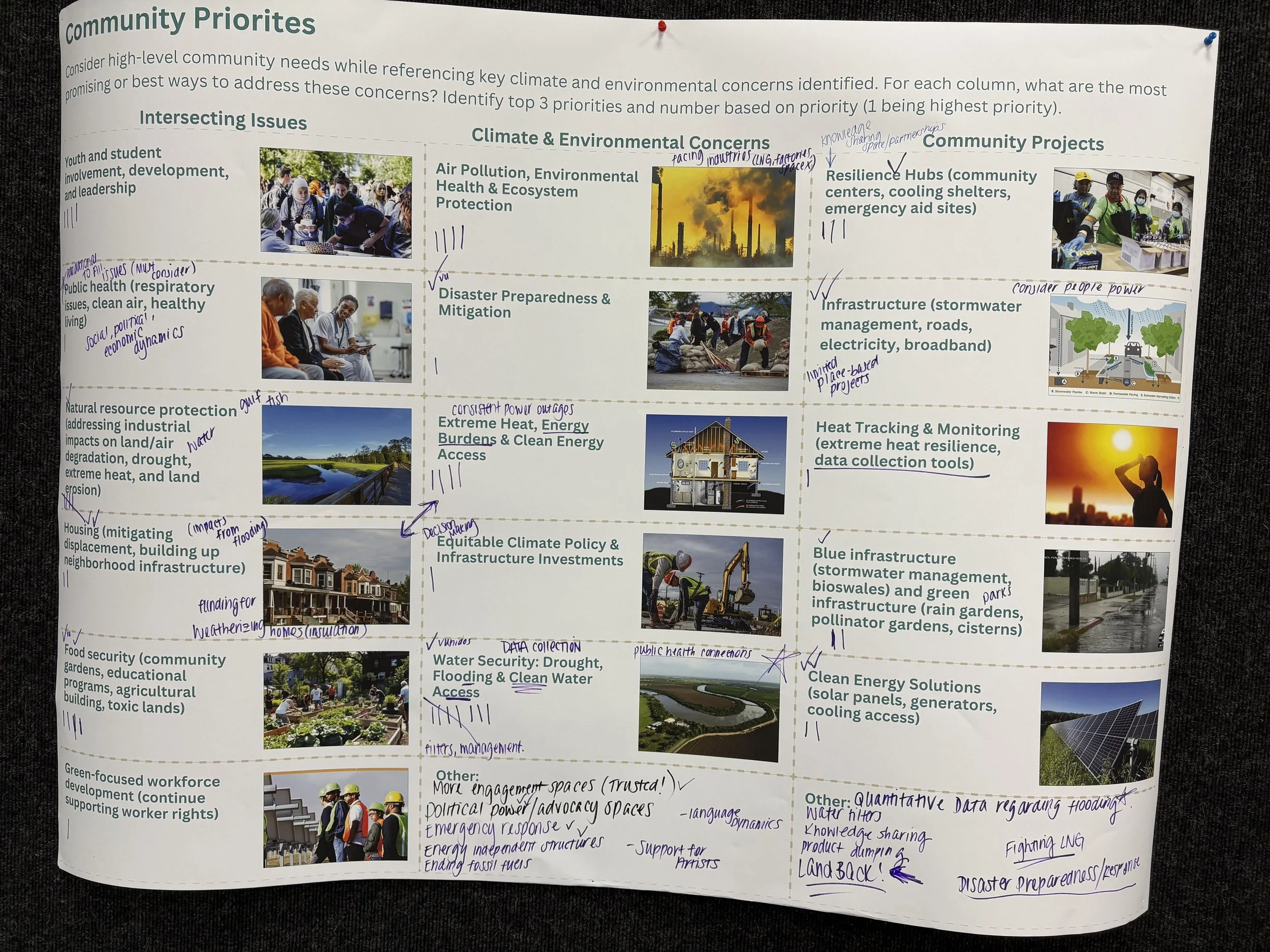
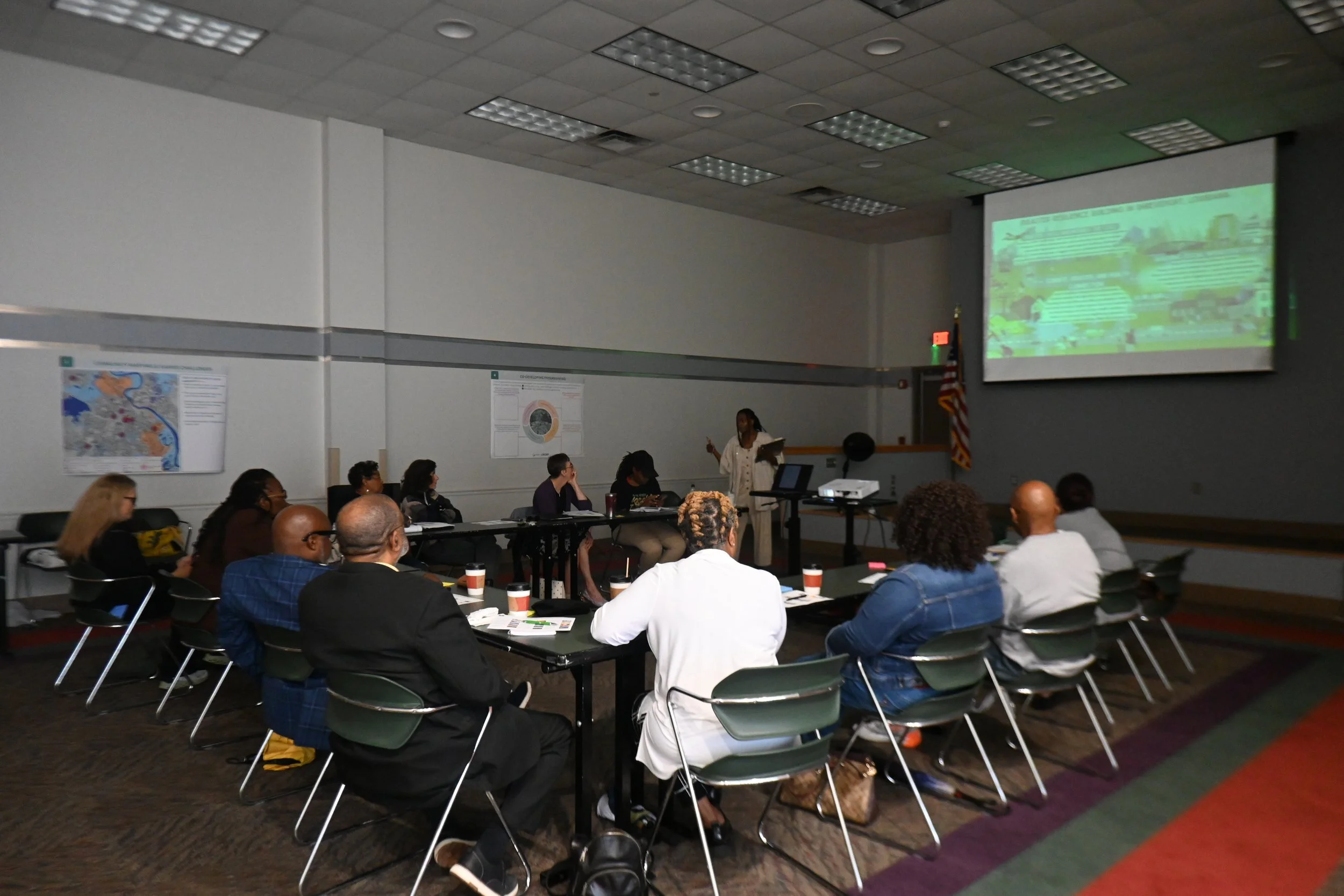
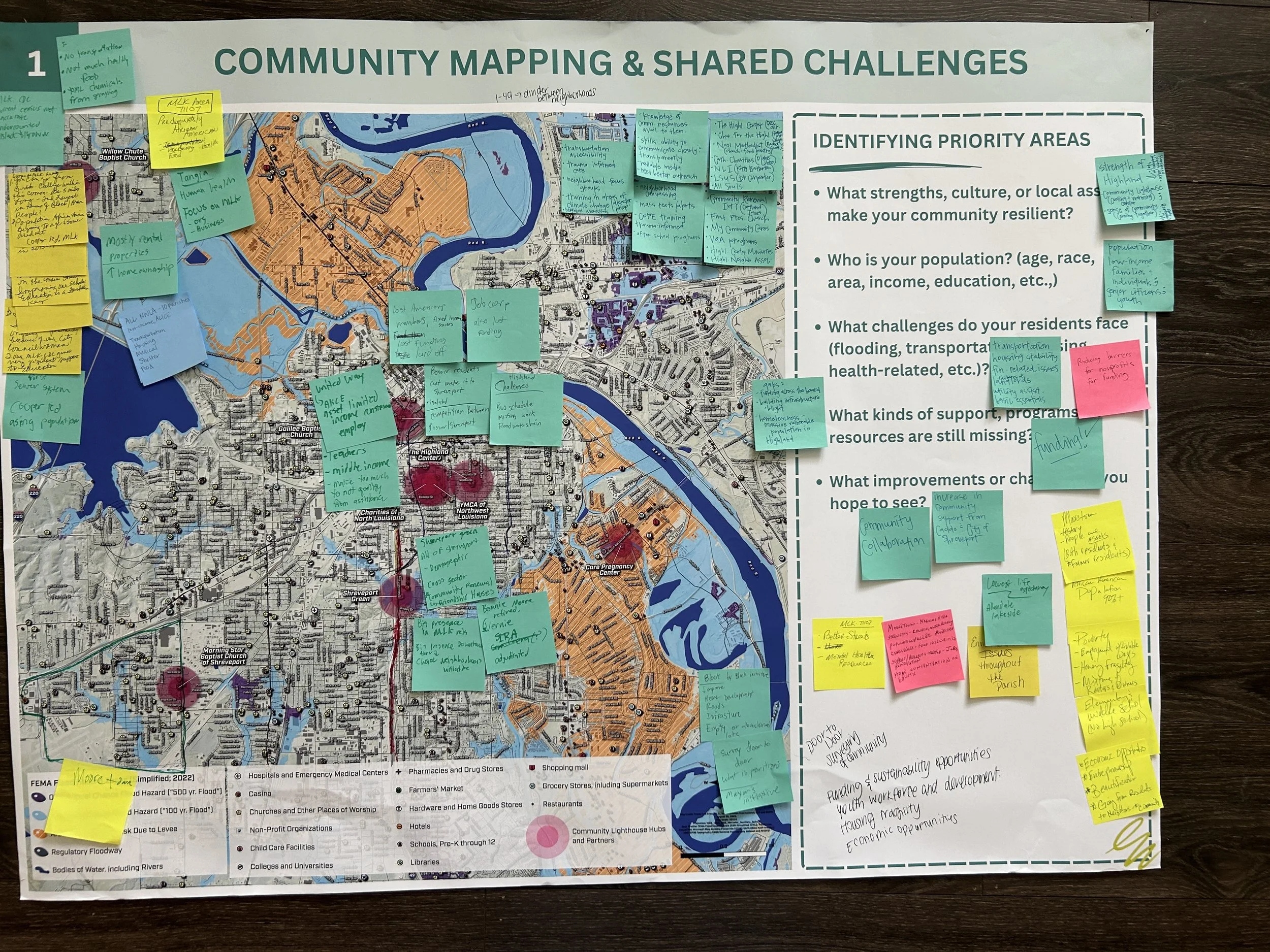
Co-designed and facilitated community workshops to validate findings, align priorities, and co-develop place-based resilience strategies.
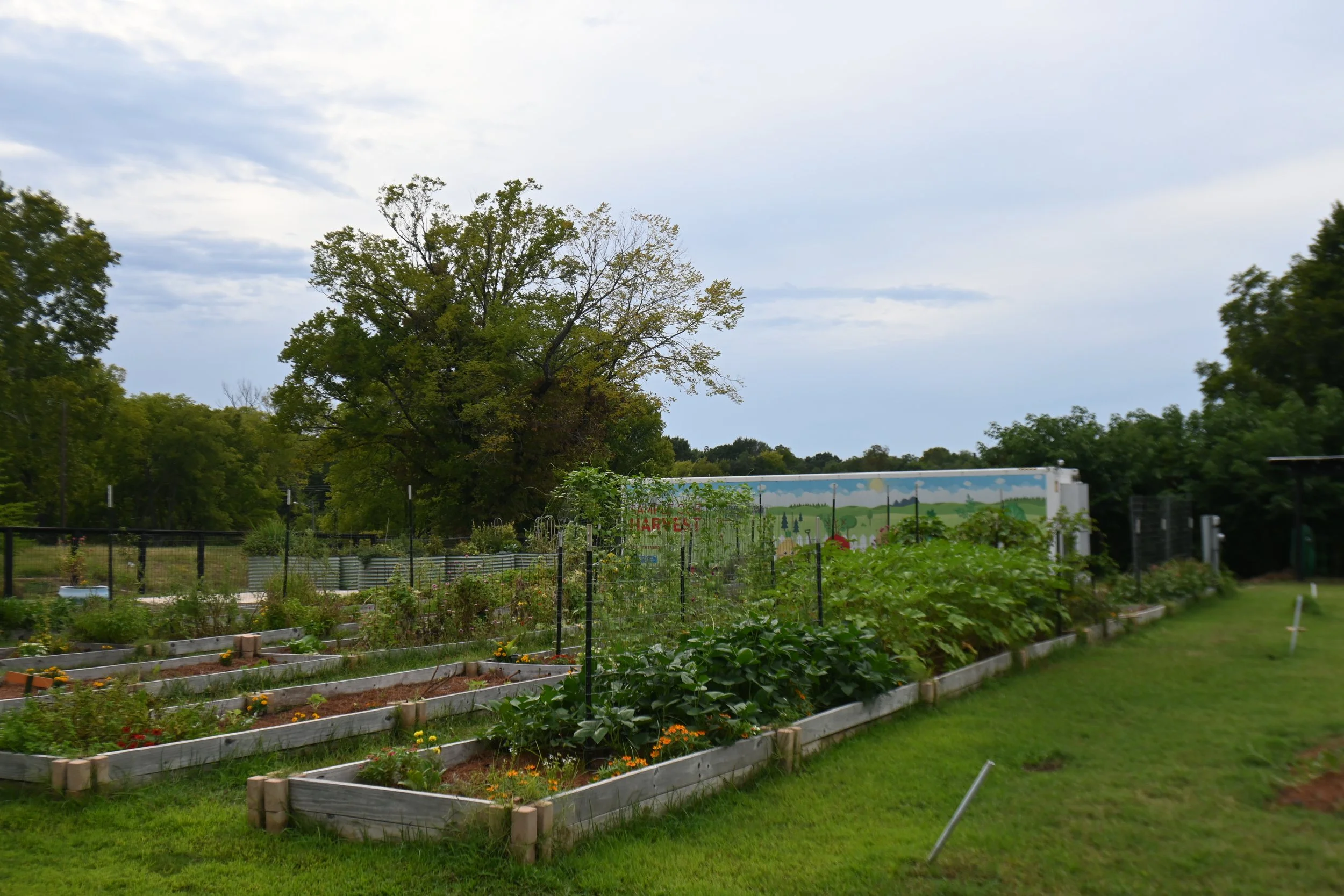
Supported communities in shaping place-based project pathways, including water justice, heat mitigation, youth leadership, environmental restoration, disaster resilience hubs, green infrastructure, and youth workforce development.
Identified technical assistance, funding, and partnership pathways to advance community-led climate resilience initiatives.
Provided technical assistance for long-term climate resilience planning, accounting for short-term political, financial, and capacity constraints.
Approach & Methodology
This approach treated storytelling as both evidence and infrastructure—a practice of witnessing, record-keeping, and power-building.
Grounded in environmental justice principles and intersectional analysis, this work employed community-based participatory methods, including:
Virtual and in-person interviews with frontline leaders and organizations
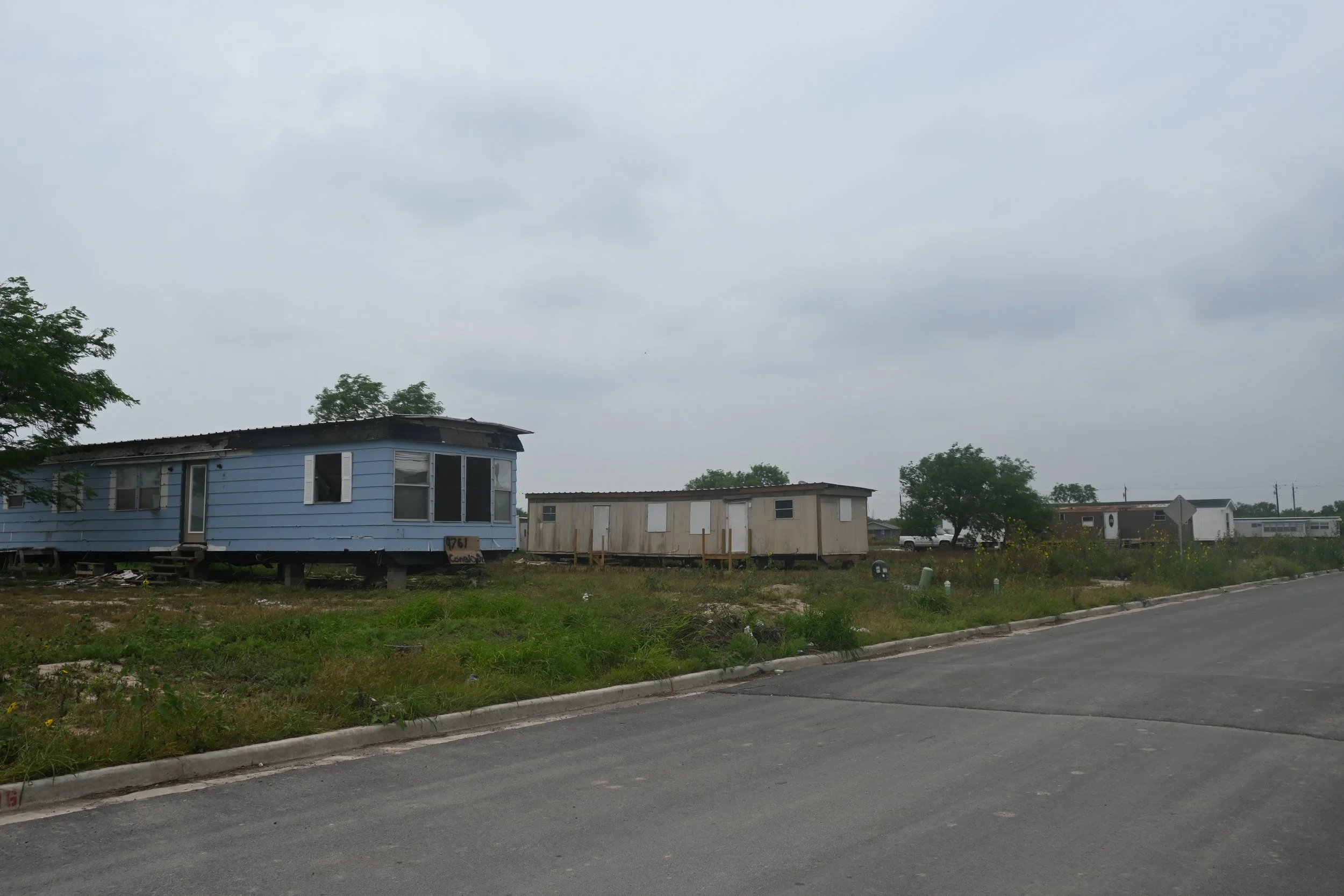
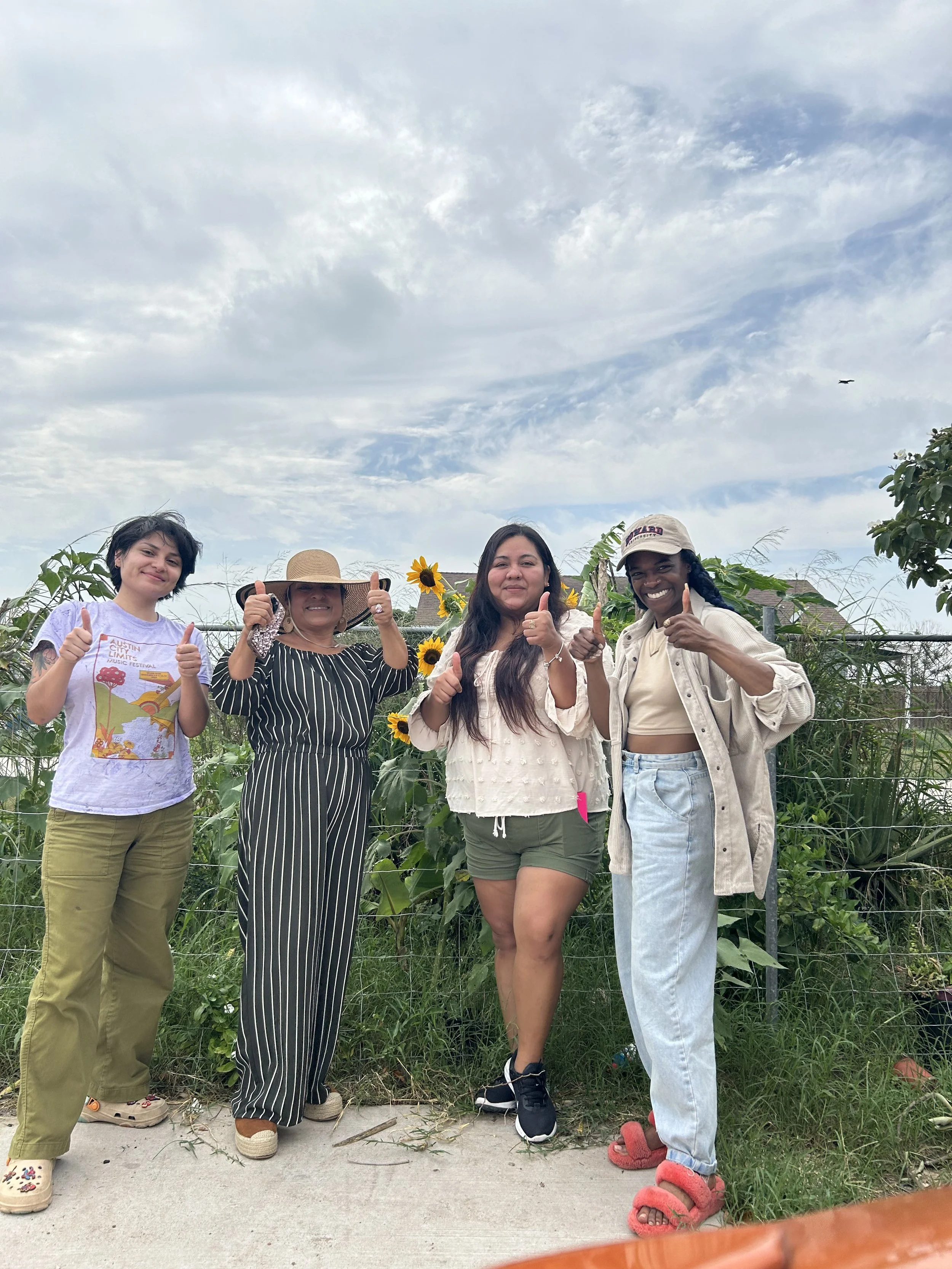
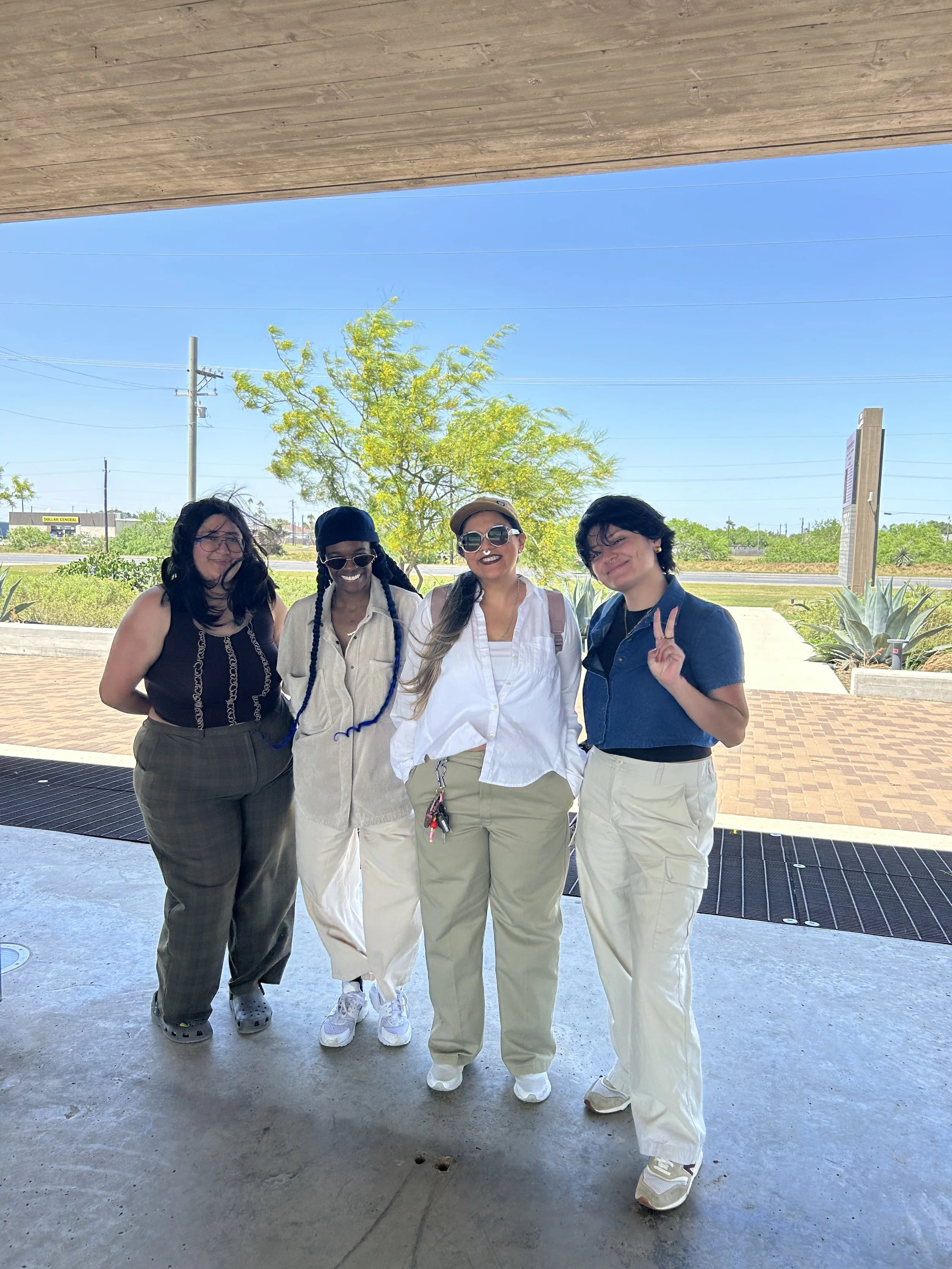
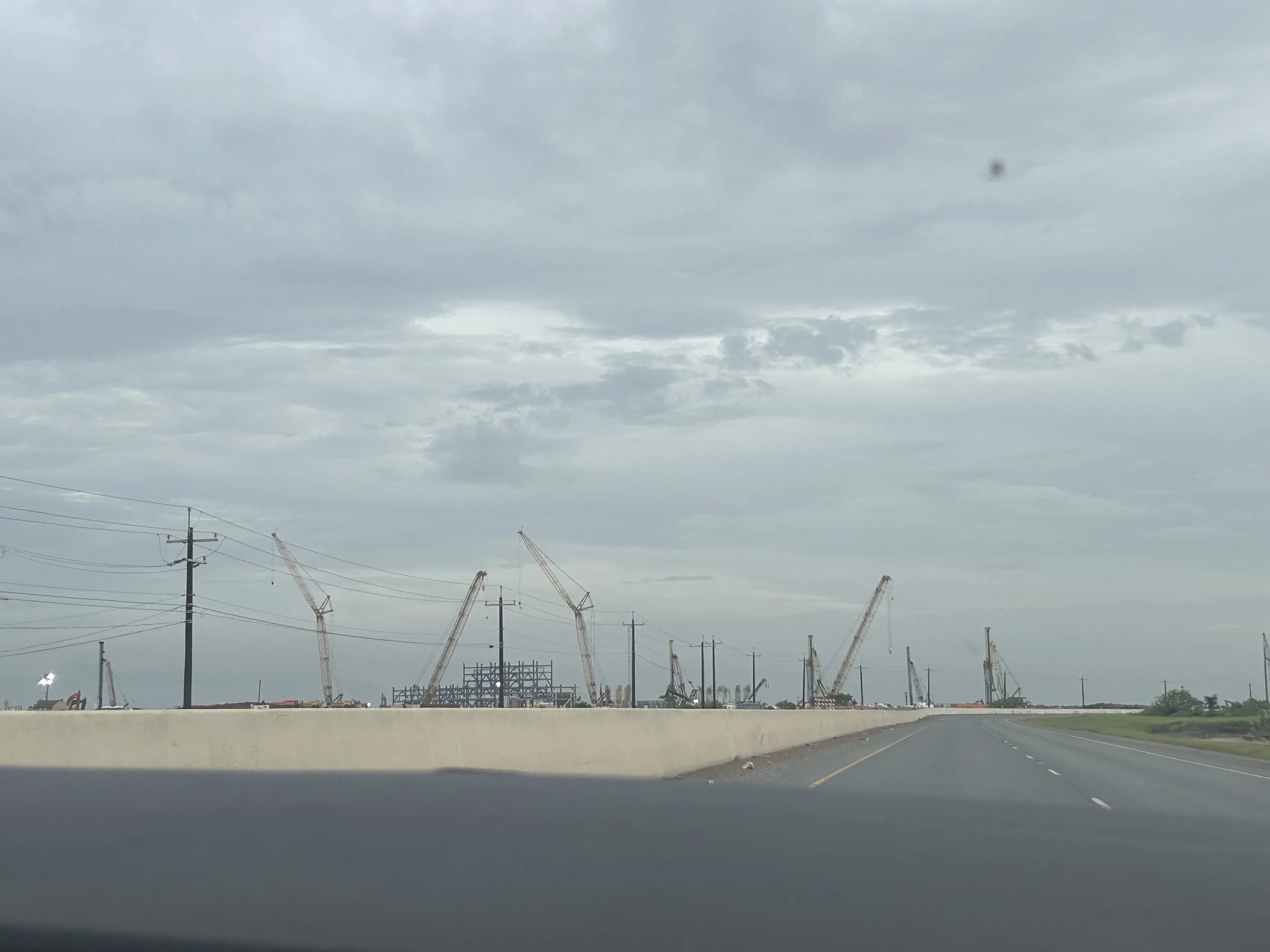
Informal meetings and site visits across colonias, waterways, cultural sites, neighborhoods, and community hubs
PhotoVoice and multimedia storytelling (photography, video, oral history)
Rapid qualitative analysis to synthesize themes and community priorities
Workshops integrating climate data with lived experience
Key Focus Areas
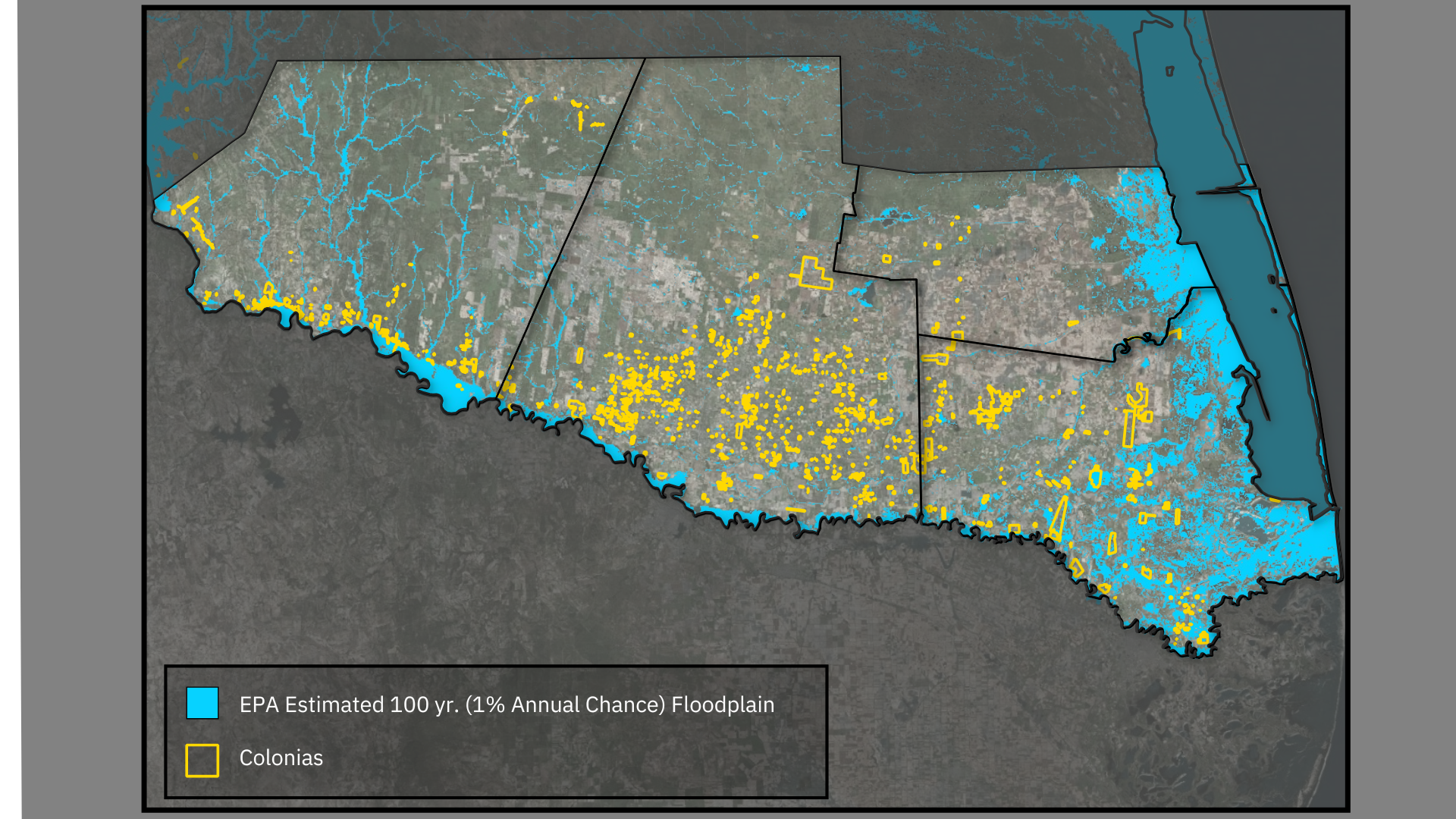
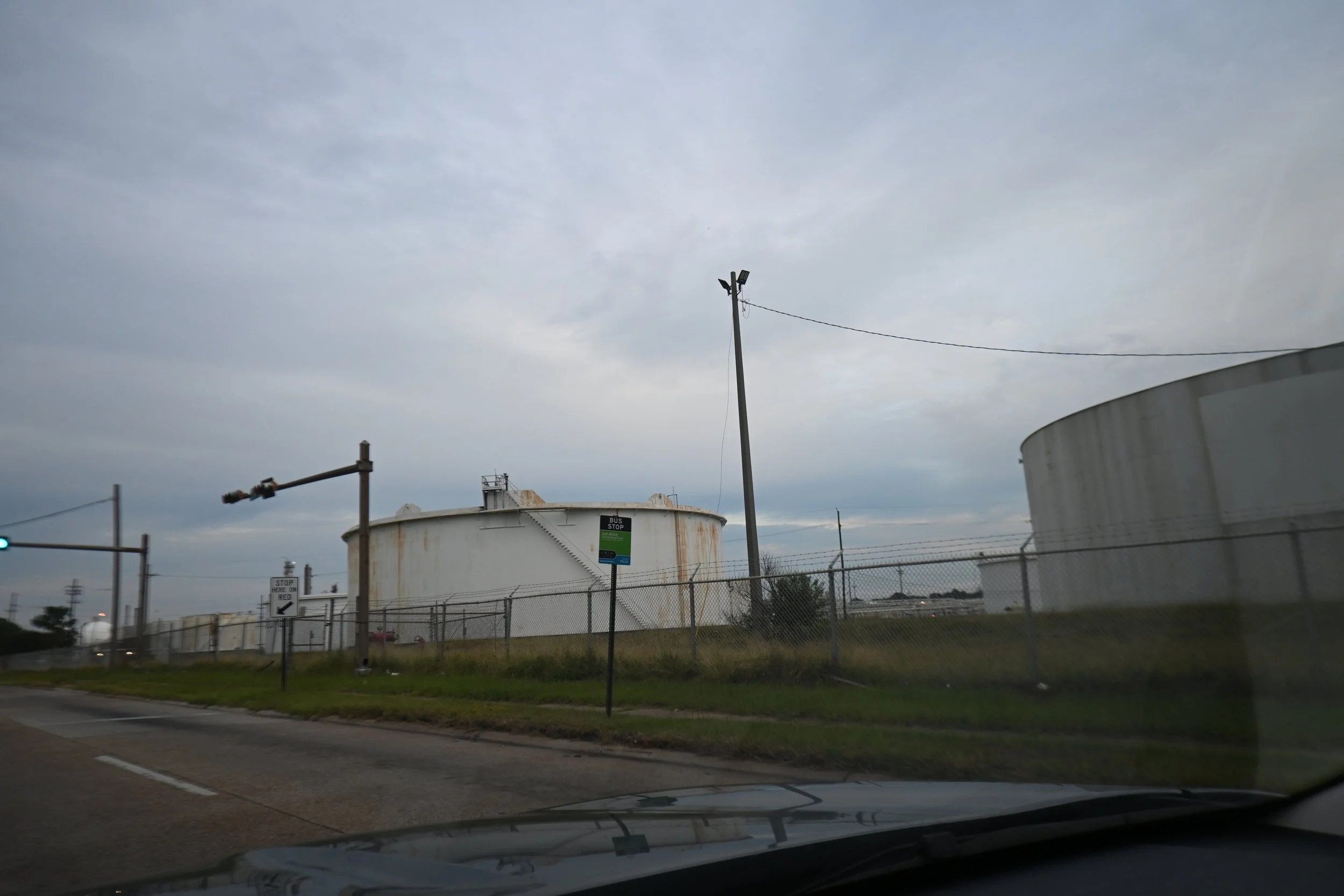
Extreme heat, flooding, and compounding climate hazards
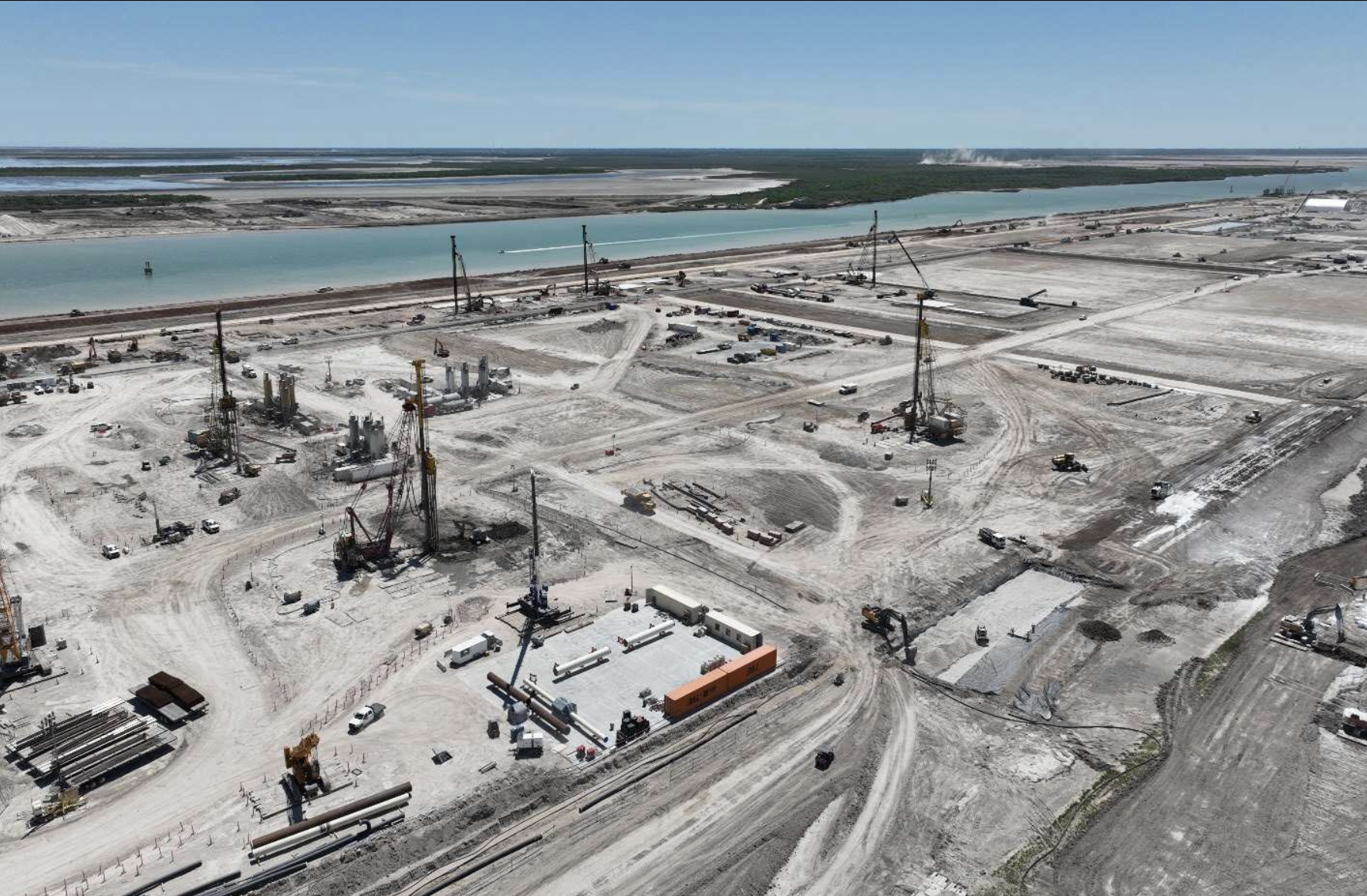
Water insecurity and environmental contamination (Arroyo Colorado, canals, Boca Chica)
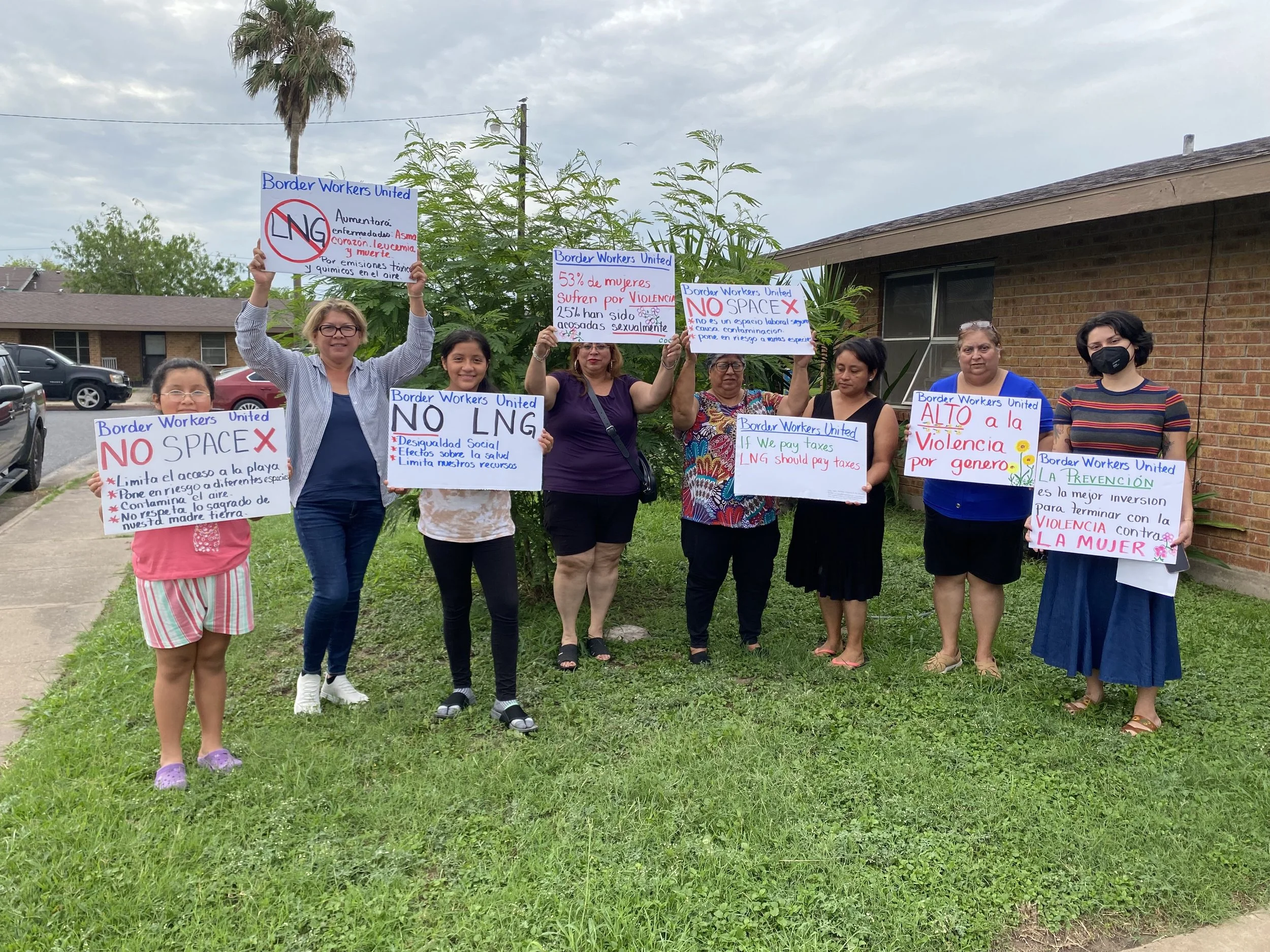
Climate-impacted housing, public health, and worker safety
Youth leadership, narrative organizing, and intergenerational knowledge
Data gaps limiting access to state and federal resilience funding
Project Artifacts
Narrative Case Studies: Building Resilience in South Texas
Southern Climate Impacts Planning Program (SCIPP)
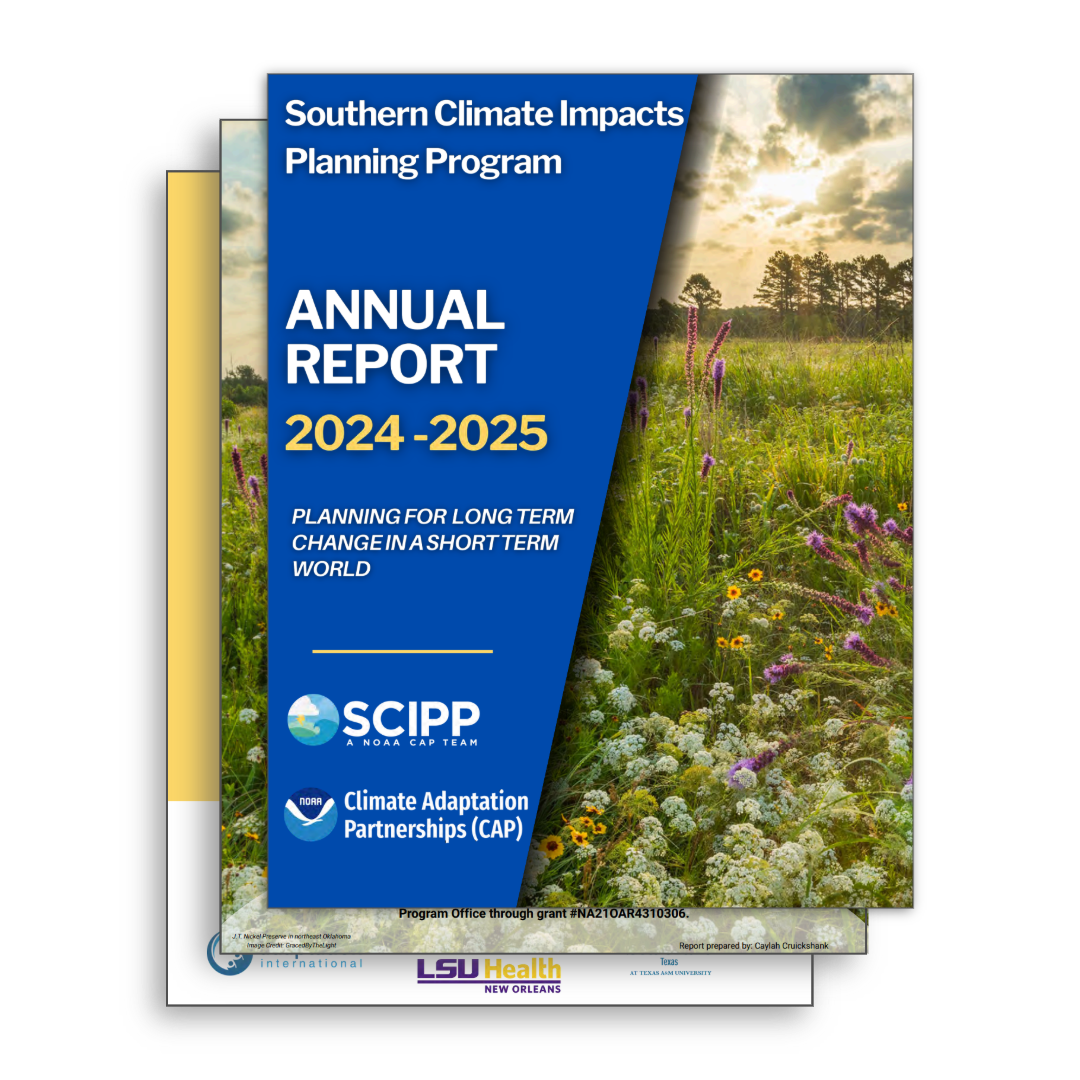
Read the Annual Report 2024–2025
Wisdom of the Past, Power for the Future: Centering Local Traditions in Community Organizing to Codevelop Climate Adaptation Practices
Online Publication: 11 Nov 2025
Print Publication: 01 Oct 2025
Page(s): 849–864
View the research overview
Community-Centered Regional Resilience Collaboration, Southern Climate Impacts Planning Program (SCIPP)
Research Dates: 2024–2025
Investigators: Cassandra Jean, Celine Rendon, Sascha Petersen
Affiliate Organization: Adaptation International
View the research overview
SCIPP Hosts Shreveport Disaster Resilience Community Network Workshop
October 27, 2025
Read the post
Funders
South Central Impacts Planning Program (SCIPP), funded by NOAA’s Climate Adaptation Partnerships (CAP/RISA) Network
Partners
University of Oklahoma (OU)
Louisiana State University (LSU)
Community-based organizations in the Rio Grande Valley and Shreveport
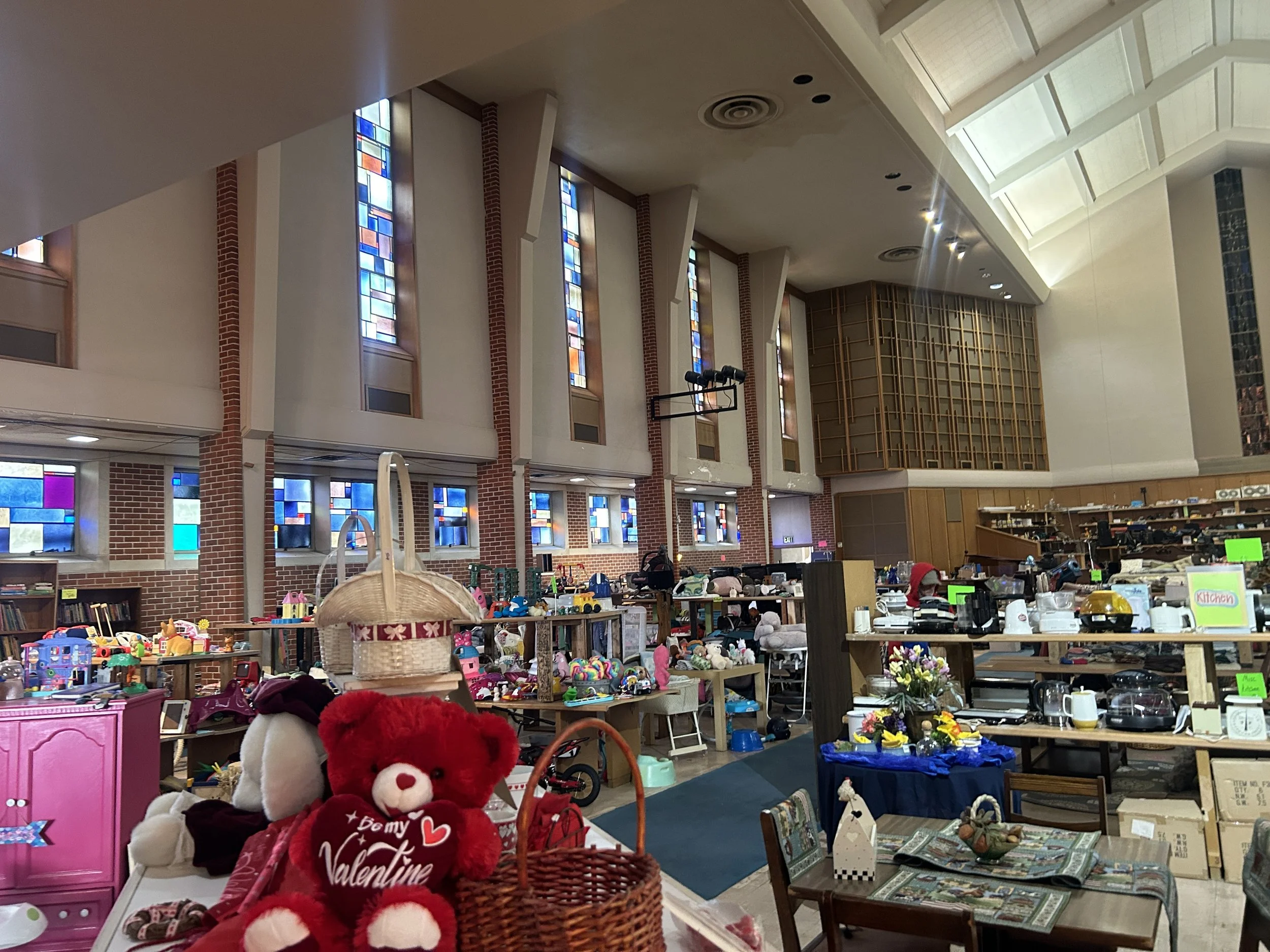
Faith-based organizations and churches serving as trusted community anchors
Frontline environmental justice, worker-led, and youth-serving groups